


Posted in HVAC
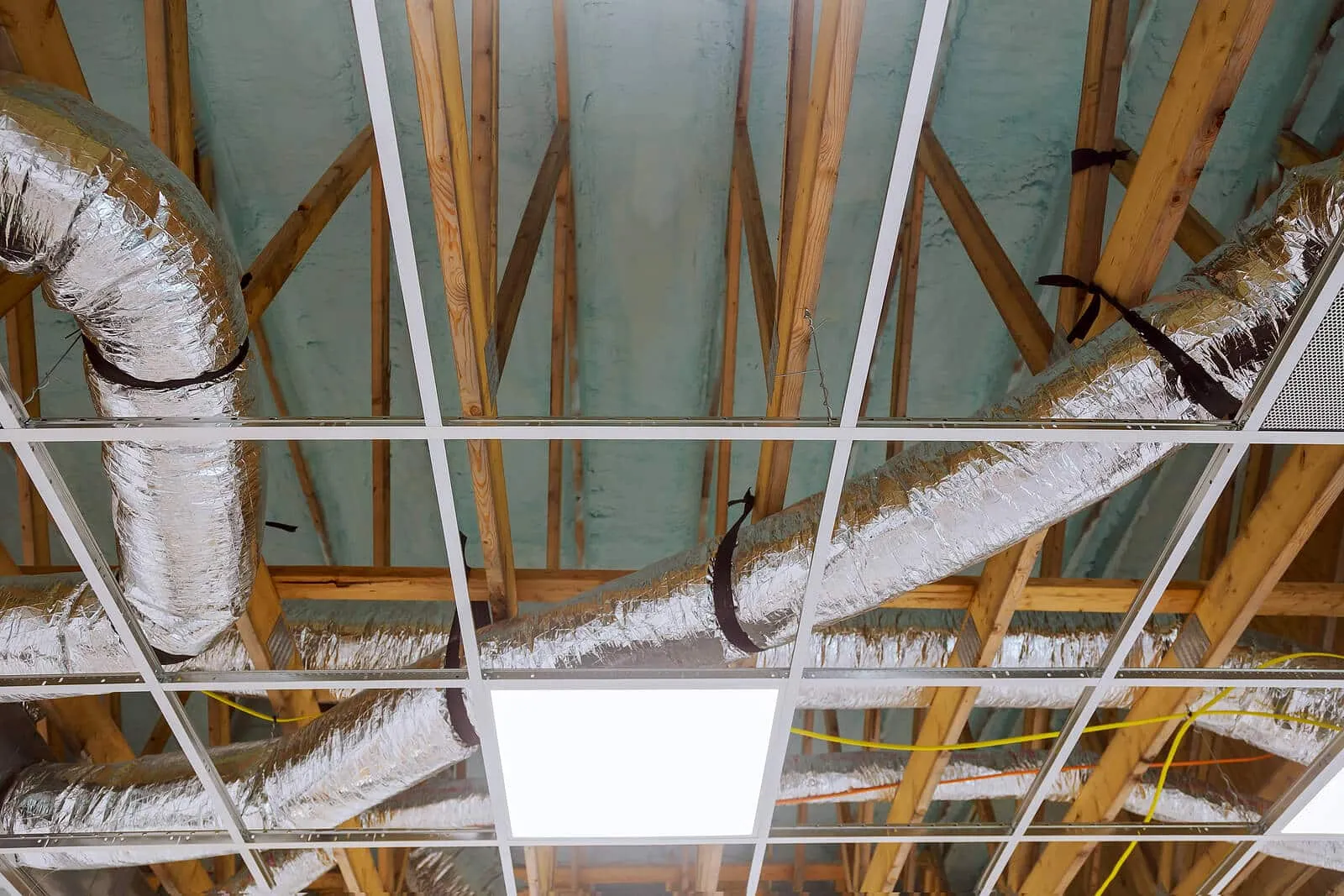
Ductwork installation requires careful planning and design. Any mistakes can negatively affect your HVAC system, from poor heating and cooling performance to reduced energy efficiency. The average homeowner doesn’t know every detail about planning for duct installation. That’s why it’s essential to consult with an experienced contractor. They can avoid these 7 most common mistakes that can make ductwork inefficient:
- Undersizing Your Ductwork
- Not Properly Sealing Ducts
- Leaving Ductwork Improperly Insulated
- Creating Sharp Bends In Air Ducts
- Installing Duct Runs That Are Too Long
- Installing Too Few Return Vents
- Choosing the Wrong Material
1. Undersizing Your Ductwork
Air ducts come in various sizes. If installing rectangular ducting, your options typically range from 3 x 7 inches to 35 x 40 inches. Round ducts can be sized from 4 to 41 inches in diameter. The size must be just right for your HVAC system. Undersizing your ductwork will limit the delivery of heated or cooled air and increase noise. Oversizing ductwork will reduce efficiency.
Some of the factors that help determine the proper ductwork size include:
- The distance between the air handler and vents
- The material the ducts are made of
- Your home’s heating and cooling needs
HVAC technicians use a Manual D calculation from Air Conditioning Contractors of America (ACCA to determine the size of your home’s ducts.
2. Not Properly Sealing Ducts
Duct sealing is an important part of the installation process that many contractors skip. Air duct leaks can reduce your HVAC system’s efficiency by up to 20%.¹ Therefore, duct installation should include sealing, a step that can pay for itself in energy savings.
Duct leaks can originate from improperly sealed connections between duct segments or ductwork and other HVAC components. They reduce efficiency by allowing conditioned air to escape and unconditioned air to enter the system. Leaks can also allow dust, pollen, chemicals, and other airborne pollutants into your home, where they can circulate and cause AC and heating problems, allergies, and respiratory issues.
3. Leaving Ductwork Improperly Insulated
Insulating air ducts is another way to improve efficiency. With the proper insulation, heat transfer can be minimized, especially for ducts in unconditioned spaces like attics, basements, and crawlspaces. However, if your ductwork isn’t properly insulated, the air temperature can fluctuate no matter how well your AC or heating unit is working.
A common sign of poorly insulated ducts is having parts of your home too hot and other rooms too cold. However, the issue can have even more far-reaching effects. It can overwork your AC system, which can cause it to require major repairs or break down.
4. Creating Sharp Bends In Air Ducts
Sharp bends in ductwork prevent air from flowing smoothly. As a result, it’s more difficult for hot or cold air to reach the vents. The sharper the bend, the more disrupting it can be. To prevent duct installation issues related to sharp bends:
- Use as few bends as possible in your ductwork design
- Try to incorporate more gradual bends in air ducts
- Install straight ducts wherever possible
- Carefully place bends when needed (an elbow should never be on top of a fan)
5. Installing Duct Runs That Are Too Long
While you want as few bends as possible, duct runs that are too long can lose energy and increase the load on your heating and cooling system. They do so by creating a pressure drop that reduces airflow. The length of duct runs should be discussed in detail with your HVAC installer. Shorter runs help improve efficiency and reduce energy costs.
6. Installing Too Few Return Vents
The air that flows into rooms must return to the air handler for your heating and cooling system to work. This is what return vents are for. The number of return vents is an important ductwork design consideration. Installing too few of them can reduce system efficiency and cause air to be distributed unevenly, leading to hot and cold spots.
7. Choosing the Wrong Material
There are different types of ductwork materials, each with pros and cons. The best material depends on the application. If it’s not well-suited for where it’s installed, it can lead to systemwide inefficiencies. Common ductwork materials include:
- Metal: Metal ductwork is highly durable but often complicates the installation process. The most common metals include galvanized steel or aluminum.
- Fiberglass: This is an efficient material that also helps reduce noise; however, fiberglass ducts require more cleaning.
- Fiberboard: Made of fiberglass strands bound by resin, fiberboard ducts have a textured surface covered with an insulating foil.
- Flexible Ducts: These have flexible steel coils that are covered by a thick plastic polymer. Flex ducts are often chosen for their ease of installation.
Choose Sky Heating & Air Conditioning for Duct Installation
Homeowners in Portland and The Dalles can trust our trained technicians for high-quality ductwork services. They know how to avoid the most common installation mistakes. From design and installation to duct sealing and repair, our team uses the latest technologies and methods to ensure lasting solutions and optimize the efficiency of your HVAC system. To schedule duct installation and other ductwork services, call (503) 563-2698 today.
Source: