

Heat and cool in one
Ducted, ductless, and geothermal systems from techs who install them in Oregon homes every week.
Portland · Since 1979
Have you ever considered installing a heat pump in your home? Our team at Sky can take care of all of your heat pump needs; just give us a call!


Tell us how we can help. Or call (844) 659-8611.
 Trusted home care
With the capacity to both heat and cool a home, heat pumps are ideal for the mild climates we experience here in the Portland, OR, area. At Sky Heating, AC, Plumbing & Electrical, we offer expert services for heat pump repair and heat pump installation in Portland, OR, and the surrounding area.
Looking to learn more about heat pumps? We’ll introduce you to the many benefits these systems have to offer and keep your system in top condition year after year.
Since they run on electricity, heat pumps eliminate all the concerns of fuel-burning heaters in the winter. They also consume far less energy during the summer than conventional air conditioners. No matter what the weather’s like outside, your heat pump will save energy while keeping your home fully comfortable. Plus, they last longer than traditional units, with an average lifespan of 15 years.
Unlike furnaces, heat pumps don’t involve the combustion of gases that can lead to poor air quality. This makes them an ideal choice for anyone who suffers from allergies, asthma, and other dust sensitivities. Because they offer such advanced filtration, they won’t overly dry the air while in “heating” mode and can effectively handle the humidity during “cooling” mode. They also make it easier to create individual zones for maximum temperature control. If there are certain areas of your home that go unused, you can control the individual zones to reduce your overall energy consumption and save more money over time.
Year-round comfort Ducted, ductless, and geothermal systems from techs who install them in Oregon homes every week.
Custom design — not a one-size unit — so rooms actually reach the temperature you set.
We work with industry-leading brands so you get reliable equipment and support after the install.
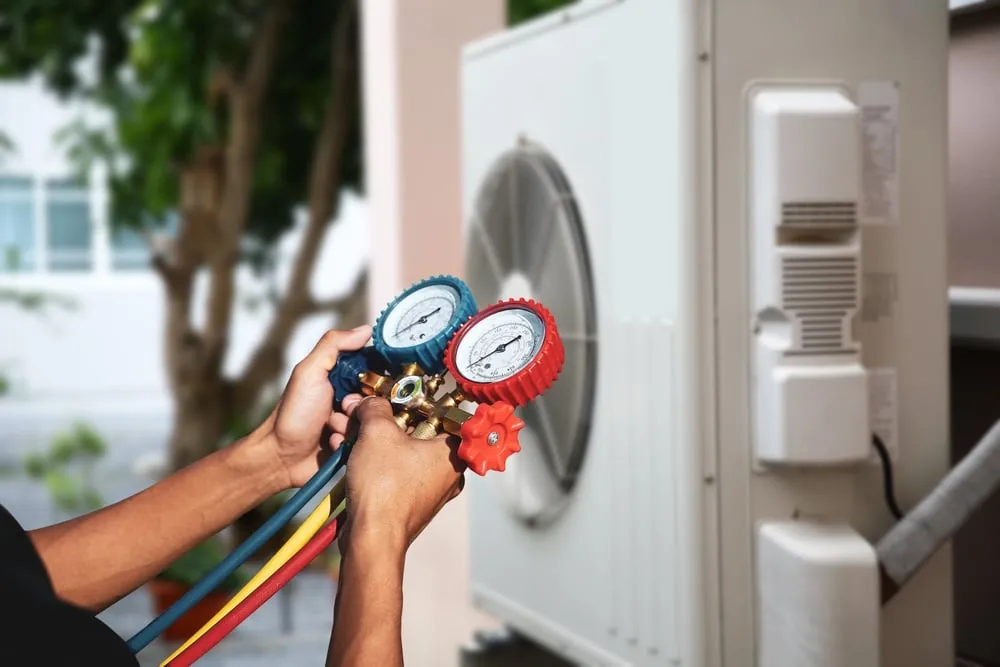
Similar to furnaces and air conditioners, the quality of the installation work will directly impact the performance of your heat pump. That’s why it’s so important to choose an installer who knows what they’re doing and won’t cut any corners. Our fully licensed, insured, and qualified technicians are here to ensure the optimum performance and reliability of your heat pump. We’ll carefully match the specifics of your home to the right system to guarantee proper sizing, location, and implementation.
Should you ever run into a problem with your heat pump, we’re always one phone call away to provide prompt and affordable heat pump repair in Portland, OR, and throughout our service area. To schedule heat pump repair or installation, contact Sky today!
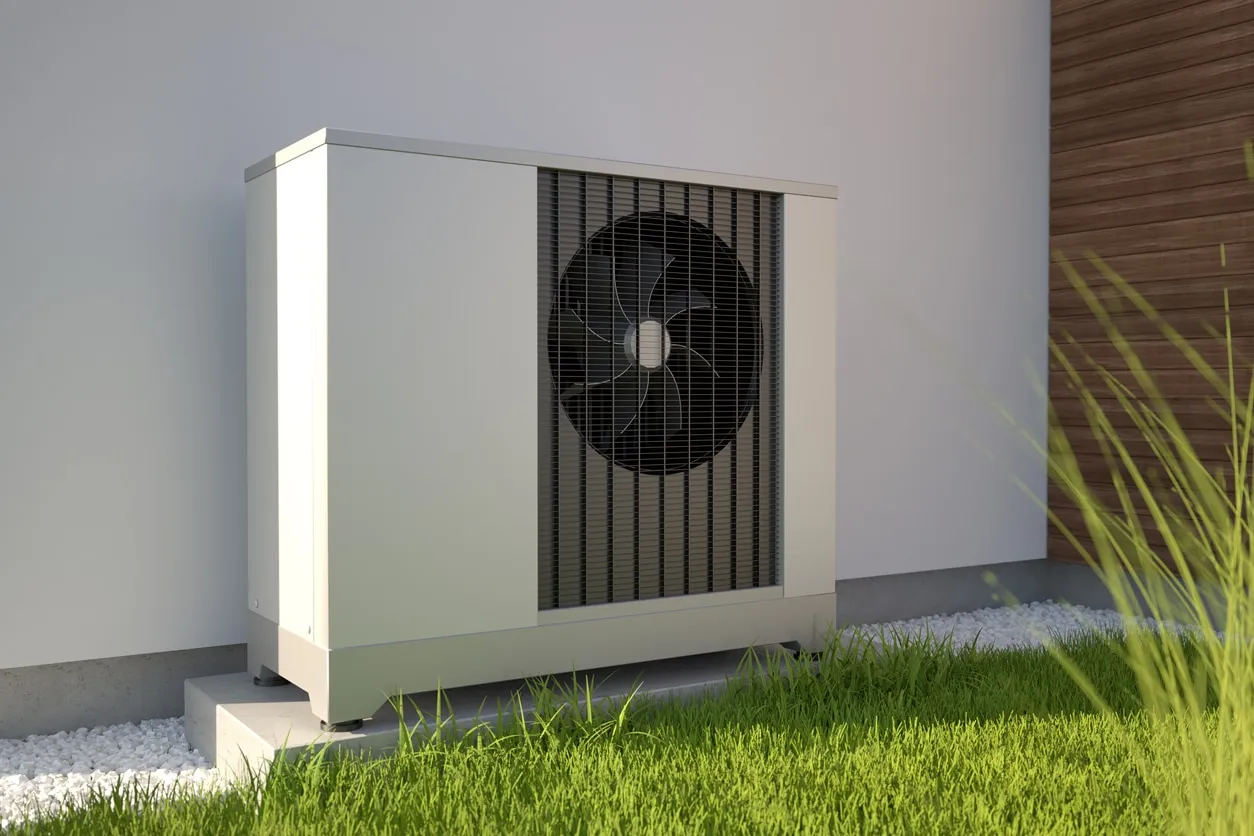
A heat pump serves the same purpose as a traditional HVAC system, but it works differently. You may wonder if it can replace your current heating solution.

Learn what you can expect to spend on heat pump installation based on system type, size, and efficiency, as well as location, labor, and other factors.
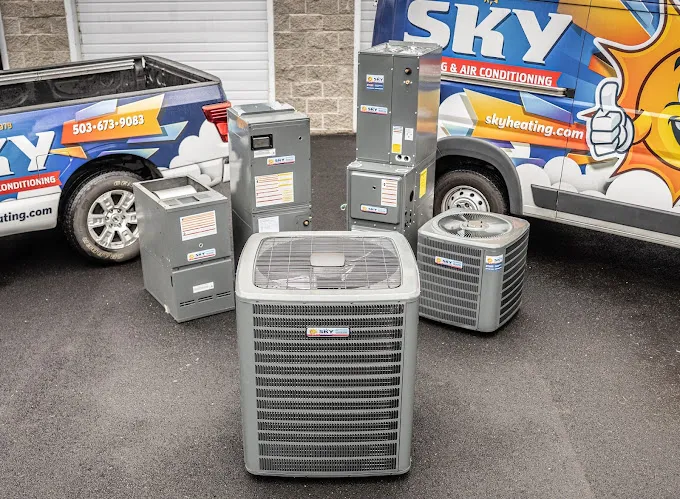
Geothermal heating and cooling is becoming more popular among homeowners. For heat pump repair or more, call Sky Heating, AC, Plumbing & Electrical.
Fixing a heat pump can be expensive. You don’t have control over the cost of parts and labor. But it’s possible to reduce costs in the following ways:
Our technicians are fully licensed, trained, and insured to provide heat pump installation and repair in the Portland area. From properly sizing and locating the unit to commissioning your heat pump to fixing it no matter the issue, our team is prompt, efficient, and thorough. We’re also here as you consider heat pump maintenance for the season. Our special offers, maintenance plans, and financing options help make these services more affordable.
Available 24/7, we can be reached at (503) 563-2698 to request a heat pump repair, so contact us today.
Many HVAC equipment manufacturers make mini split heat pumps. At Sky Heating & Air Conditioning, we’ve partnered with Mitsubishi Electric to provide some of the highest quality mini split heat pumps on the market. There are many features and options to choose from. The Mitsubishi Electric Ductless Mini Split M-Series has zoning capabilities and operates at a noise level as low as 26 decibels; in addition to control of each individual indoor unit, it can be managed wirelessly and is programmable. It only requires a 3-inch diameter hole to be drilled in a wall for the refrigerant and electrical lines.
A heat pump can slow down, provide decreased temperature control, or become less efficient for many reasons. A faulty part is often the cause. However, every repair has a different set of circumstances. Your local heat pump repair contractor calculates the cost of service based on the following factors:
Some heat pumps have a more conventional design, while others employ newer technologies. Here are the most common types and their typical repair costs:
Repairing a heat pump often requires replacing one or more parts. Generally, the more components that need to be replaced, the higher the heat pump repair cost. Expenses vary depending on the type of part, the brand, and the project’s complexity.
The cost of repairs can also be affected by the type of problem. For example, if the heat pump won’t turn on, a thermostat, breaker, or fan switch issue may need to be resolved. Repairs can cost $150 to $400, depending on how many components are needed. Fixing a heat pump that won’t defrost can cost under $100 or as much as $650; the causes range from a defective timer to a damaged reversing valve.
Here’s a look at the costs of some other common heat pump replacement parts:
How expensive heat pump repair is can depend on a range of factors other than the type of unit and parts needed. Costs can be impacted by the following:
Heat pumps can last up to 20 years. However, if you need extensive repairs before then, you may consider replacing the system to save money over time. A new heat pump can cost $4,500 to $8,000 (more advanced geothermal models can cost $20,000 or more). Paying repeatedly for parts and labor can exceed installation costs, especially if your system needs a repair every few months.
It is a system that draws heat from the Earth and extracts this heat to provide warmth in your home. It does so without using fossil fuels. Also called a ground-source, GeoExchange, earth-coupled, water-source, or earth-energy heat pump, it can heat or cool your home. Rather than generating heat like a furnace, it moves heat from one place to another. Heat is transferred from the ground using a series of coils known as geothermal ground loops.
Air-source heat pumps are more common, but geothermal systems are more energy efficient. That’s because the temperature underground is more consistent than air temperatures. A geothermal heat pump can reduce energy consumption by 25% to 50% compared to an air source system, which results in a substantial drop in cooling costs.¹ Other benefits include:
When planning for geothermal heat pump installation, it’s important to weigh the different types of units. The best type depends on the size of your home, the local climate, and soil conditions. Installation costs can influence your decision too. The most common types of geothermal heat pump systems include:
Site evaluation is a crucial step in preparing for geothermal heat pump installation. Unlike with other HVAC systems, ground conditions are a significant factor. Your local installer will need to consider the geology around your home; the heat transfer properties of the soil determine the amount of piping needed (the less effective at heat transfer the soil is, the more pipes will be needed).
Hydrology is another factor. The quality, depth, and volume of a ground or surface water source help determine the type of system to install. Depending on hydrological conditions, installing a geothermal heat pump can risk groundwater contamination, aquifer depletion, and other environmental hazards. Lastly, the installer will consider land availability, where underground utilities are located, and your landscaping.
Using this information, they’ll determine the ideal location for the system. They will also evaluate your home and perform a Manual J load calculation. Its square footage, insulation, number of windows and doors, and how many people live there are used to calculate the size of the system and the amount of energy needed to provide enough heating and cooling. They’ll also help acquire permits and approvals from local officials.
Once the site evaluation, load calculation, and planning process are complete, your local contractor will proceed with the geothermal heat pump installation. In general, the installation process entails:
On average, a 3-ton geothermal heat pump costs $7,500 to install. Systems cost about $2,500 per ton of capacity, but that doesn’t include drilling and installation costs. Since every home’s requirements are different, costs can vary considerably. However, you can save hundreds of dollars per year in utilities and may qualify for tax credits, rebates, and other opportunities to save. With energy savings considered, the system can pay for itself within a few years.
Whether you need HVAC, plumbing, or electrical help, our licensed experts are ready. Tell us about your project and we will guide you through the next steps.
Portland, OR & surrounding areas
Ready to get started? Our team will follow up within 24 hours.
Get Started Or call us at (844) 659-8611
Portland, The Dalles, and communities across North Oregon and Southwest Washington. See every city we serve
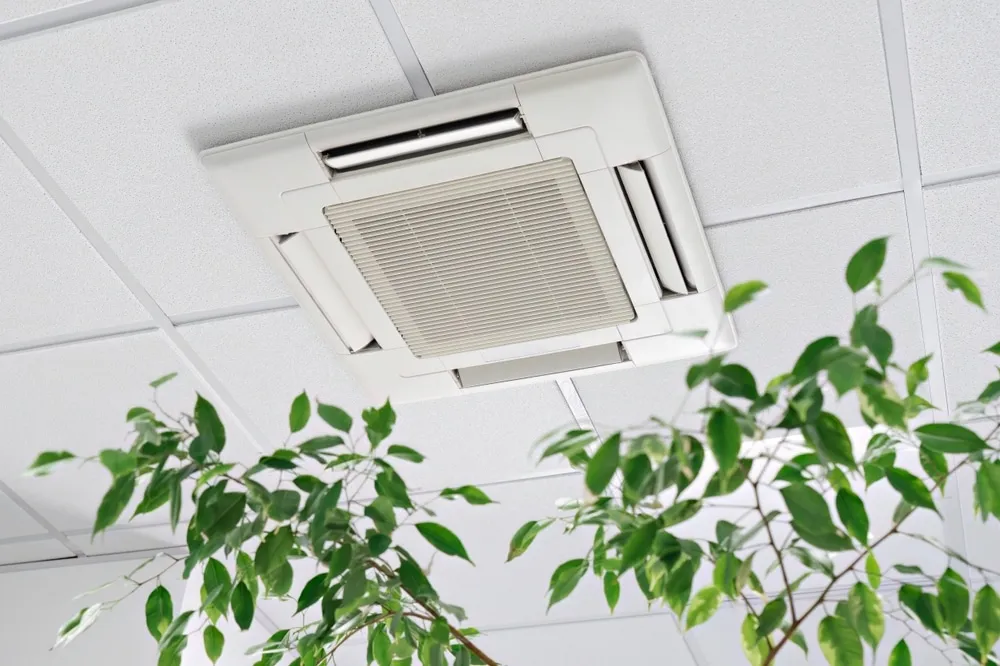 Indoor Air Quality in Portland, OR
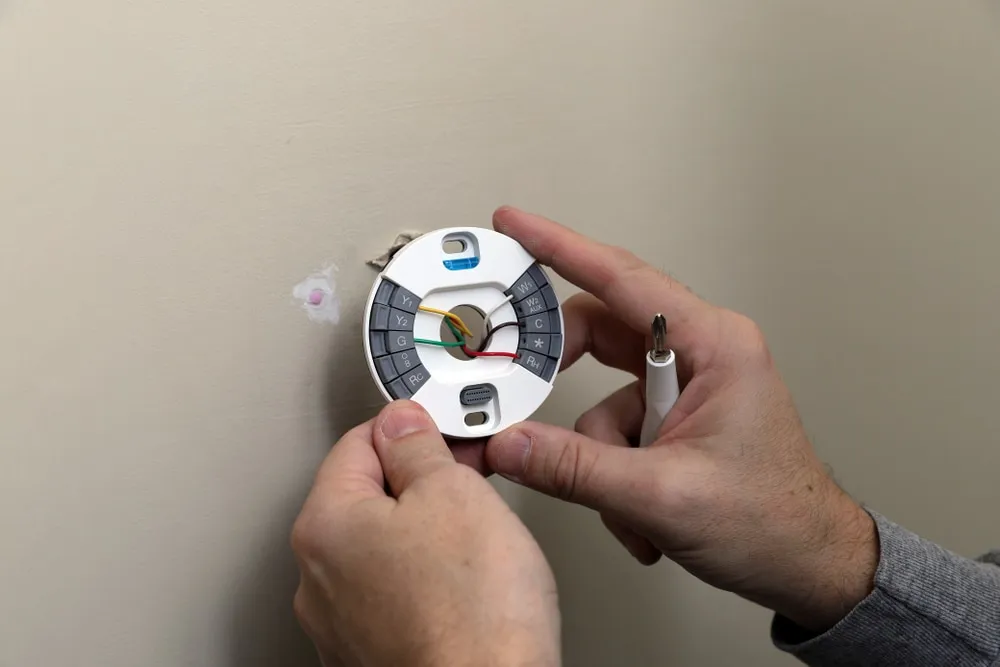 Thermostat Installation in Portland, OR
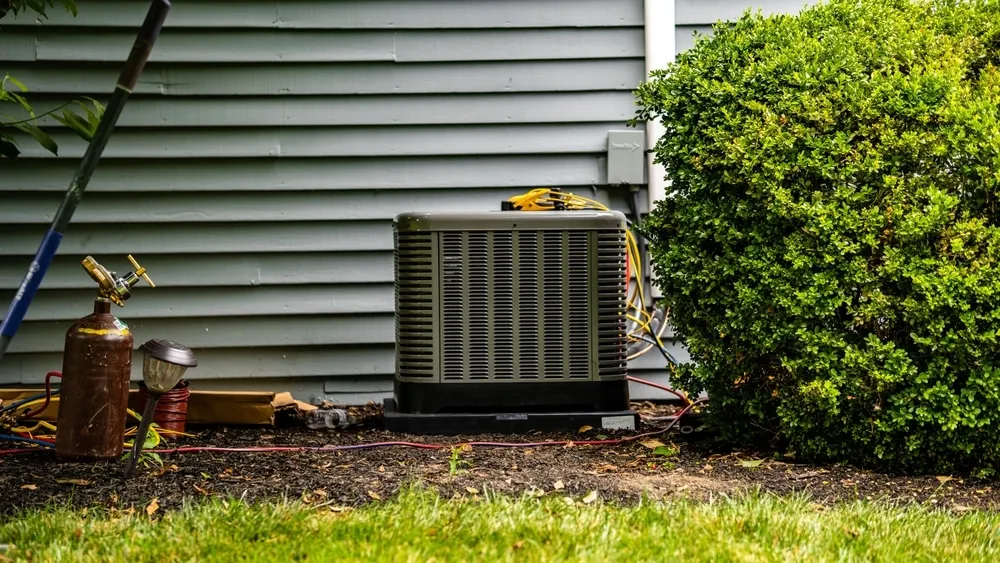 HVAC Services in Portland, OR