


Posted in Water Heater
Summer heat brings special challenges to home water heaters. From mineral buildup to part corrosion and increased usage, your heater takes a beating. Even so, you can do a few things to keep ahead of adversity. Our team of professional plumbers knows how to keep your water heater running smoothly throughout the season.
1. Keep the Water Heater Thermostat at a Cooler Temperature
Since water naturally gets hotter this time of year, a good tip is to have your water heater thermostat set to a cooler temperature. Not only will you conserve energy, but you’ll also reduce wear on the heater. A good target temperature is 120 degrees Fahrenheit, but you can adjust it higher or lower depending on your needs. Before you or a plumber do this or any of the tips mentioned, make sure to shut off the power and gas supplies going into your water heater.
2. Keep Your Water Heater Flushed or Descaled
Water heaters tend to accumulate mineral sediment over time. This can make your heater work harder and reduce its lifespan. You should flush your tank free of sediment twice a year. The start of summer is a perfect time to hire professional plumbers to do the job. They’ll connect a hose to your drain valve and flush the water into a nearby floor drain or outside. If you have a tankless heater, flush your service ports and have your heat exchanger descaled on the same schedule.
3. Check Your Tank’s Anode Rod
If you have a tank, the anode rod is your water heater’s shield. It protects your tank from rust and corrosion that naturally comes from hard, hot water. When it degrades, all of that rust can get into your pipes and faucets. You can check the rod yourself, or a plumber can take a look. If there are visible signs of corrosion or wear, a plumber can replace it.
4. If You’re Going Tankless, Check Your Filters
You should check your water inlet and air intake filters every six months. Blocked filters lead to reduced water pressure and airflow, which can shut down your entire heater.
5. Inspect Your Pipes and Valves
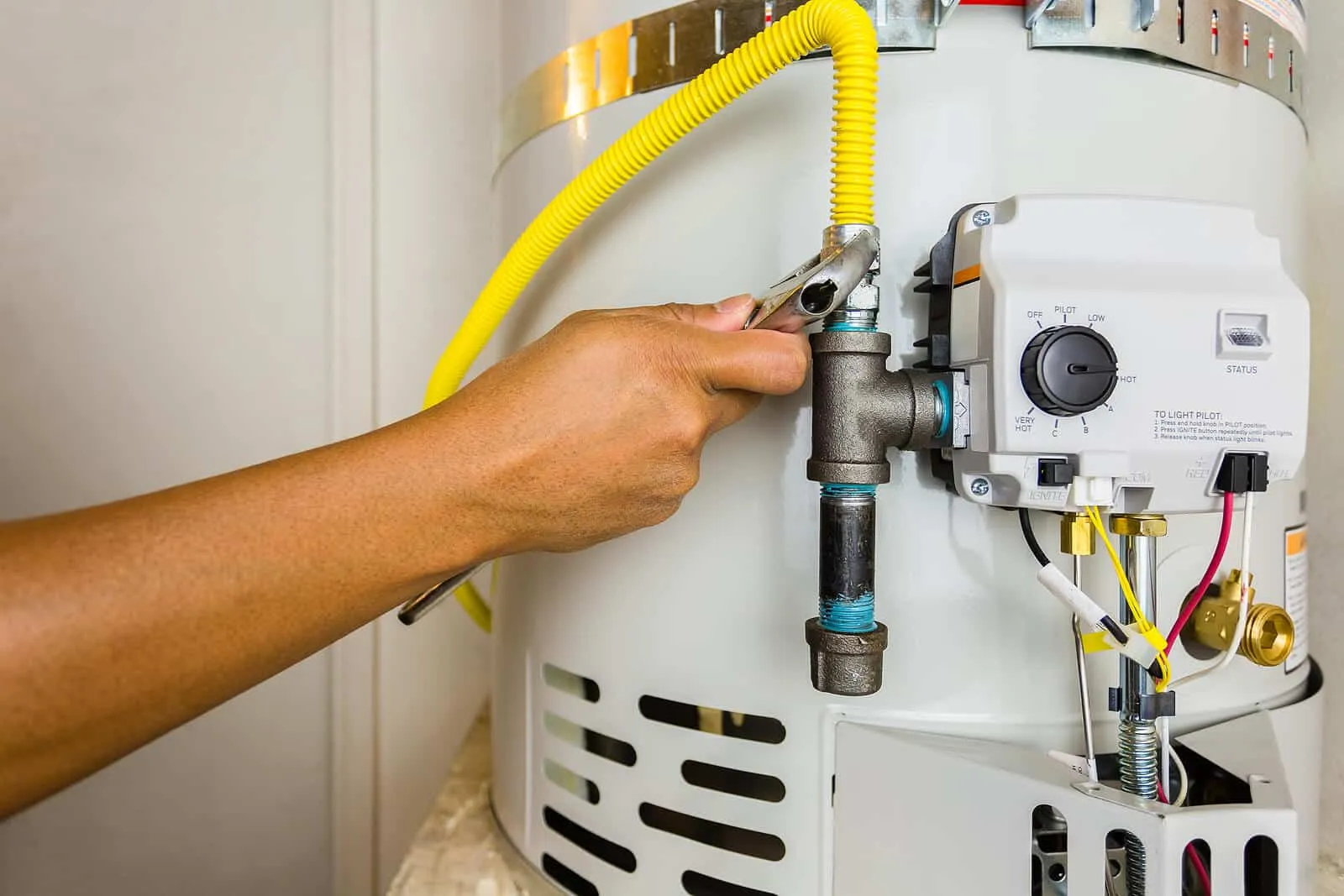
Leaks are a fact of life for any form of plumbing equipment. Water leaks are easy enough to spot in most cases, but tank heaters can have leaks inside them. You won’t see them until you have unexplained puddles developing underneath your heater. If you use natural gas, check those valves and pipes using a gas leak solution or soapy water. If you see bubbles forming on a pipe, that’s a sure sign of a gas leak. This is best left to your plumber to fix.
Following these tips can help extend the lifespan of your water heater and ensure it works effectively all year long. If you have concerns or require water heater services, contact Sky Heating, AC, Plumbing & Electrical in Tualatin, OR.