


Posted in Natural Gas
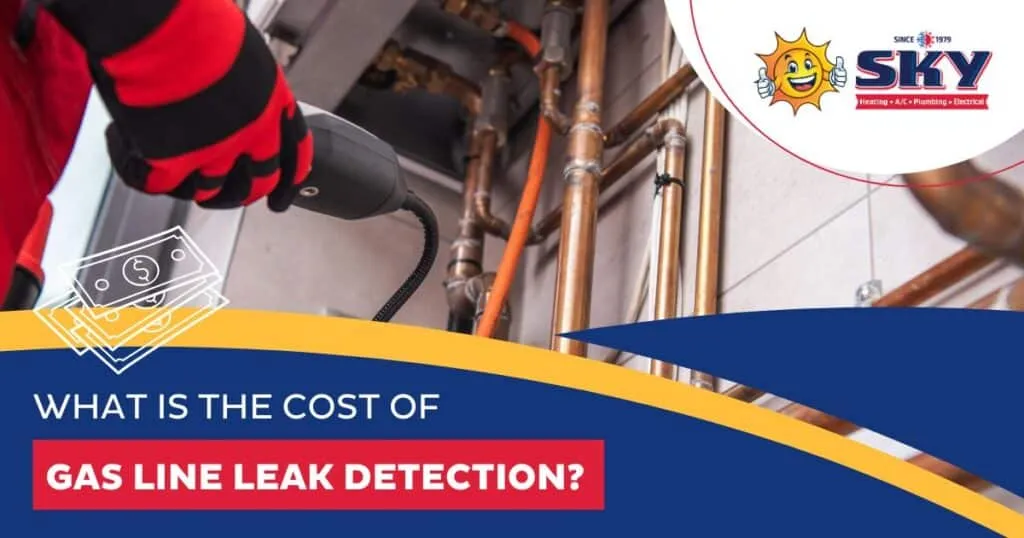
Gas line leak detection is the first step to addressing a dangerous problem, but it comes at a price. Some gas leaks take longer to locate than others, so there’s usually no set fee. While there are simple ways to conduct gas leak detection, a professional must employ advanced tools and methods to fully assess and fix the issue.
The cost of leak detection is separate from that of performing repairs. Detecting a gas leak is also different than detecting a water leak. It’s not unheard of to spend a few hundred dollars on this step alone. However, the exact cost depends on the method used and how the company sets its rates.
How Is the Cost of Gas Line Leak Detection Determined?
A plumbing company may consider various factors when setting rates for leak detection. If you suspect a gas leak in your home, here’s what you might pay for:
- Emergency Service: Plumbers generally charge more to respond to emergencies, whether they require urgent attention during the day or after business hours. A gas line leak cannot wait; it poses an immediate risk of health hazards, a fire, or an explosion.
- Professional-Grade Equipment: High-quality gas detectors can cost thousands of dollars. To profit, a contractor must consider the cost of equipment when setting its rates. This means paying for speed and accuracy, but quality service helps restore your safety.
- Location of the Leak: If the leak is in an easy-to-access spot, it will take less time and effort to find, so you’ll spend less on leak detection. However, if the source is hard to access, the service will be more expensive.
- Size and Severity: Testing for a large, serious gas leak generally costs more than finding a small one. For example, locating a damaged gas line under a foundation slab or behind a wall is costlier compared to finding one originating from a valve, behind an appliance, or at an exterior entry point. If a leak is underground, more advanced testing and excavation add to the cost.
How a Gas Line Leak Is Identified
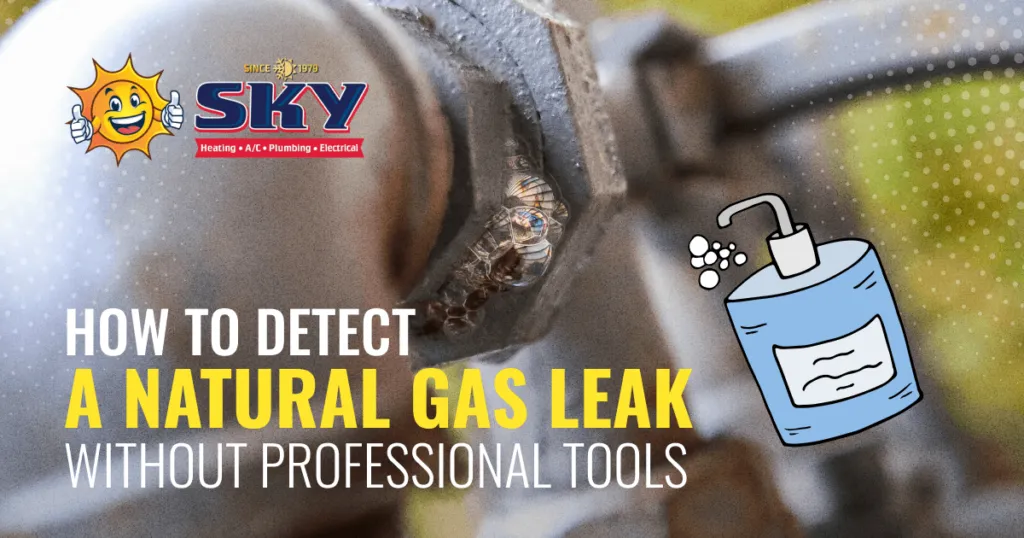
You don’t always need professional tools to find a gas leak. Sometimes your senses are enough. Gas companies add a substance called mercaptan to natural gas, so a leak can be detected via the smell of sulfur or rotten eggs. A discolored flame in a gas appliance, hissing/whistling sounds from gas lines, or bubbles when you apply a liquid or soap to a pipe or fitting can indicate a leak.
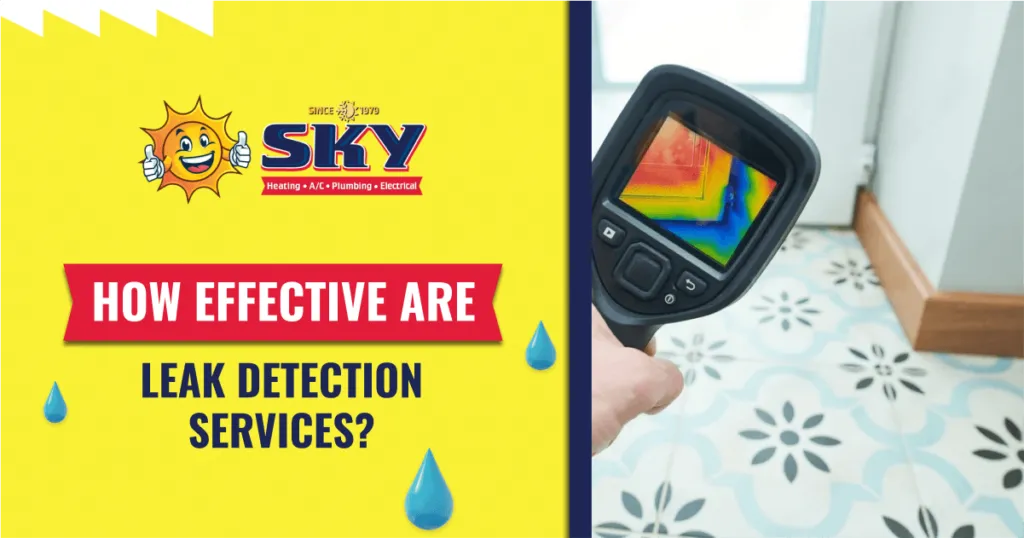
A professional uses more precise methods to pinpoint the location, size, and nature of a leak. The technologies they may use include:
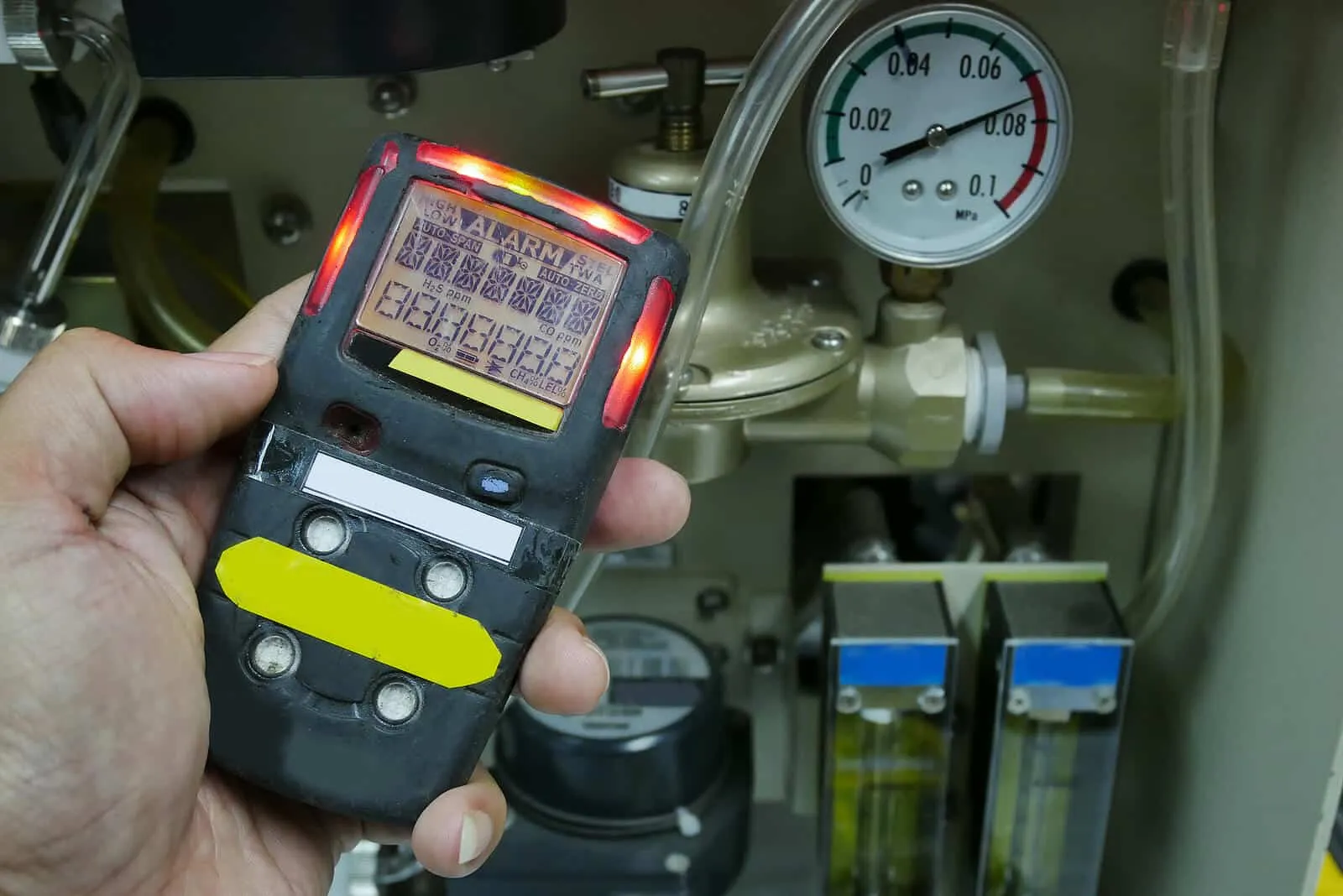
- Single/Multiple Gas Detectors: A single-gas detector is usually portable and hand-held. However, it can check for only a specific target gas (which is fine if the source and type of gas used in your home are known). If the target can’t be narrowed down to a specific gas, a multi-gas detector may be used. Fixed or portable, it can identify the presence of one or more toxic or combustible gases.
- Electrochemical Gas Sensors: These measure a specific gas’s concentration. The gas must first be oxidized or reduced to an electrode, which generates a positive or negative current.
- Catalytic Bead Sensors: Typically used when there’s an explosion hazard, catalytic gas detectors measure the concentration of combustible gases. Since oxidized gas produces heat, the sensor detects temperature changes and transmits gas levels to a display.
- Infrared Gas Sensors: Relying on light absorption, these sensors compare the absorbed light intensity to a reference wavelength. Computing the difference enables a sensor to report the level of gas concentration.
- Photoionization Gas Sensors: An ultraviolet light source ionizes gas molecules, allowing the sensor to identify positive and negative ions generated in the process. The charge of ionized gases helps measure the concentration of volatile organic compounds.
The cost of gas line leak detection can vary based on the scope of the problem and the equipment and technologies the contractor uses (which may include those above or other tools).
Can I Save on Gas Leak Detection?
Gas line leak detection doesn’t come cheap, but there are ways to save. You can potentially reduce gas leak detection and repair costs with the following tips:
- Identify the Problem Early: The sooner a gas leak is detected, the more likely you can prevent dangerous situations and expensive repairs.
- Check for Leaks Regularly: Performing quick inspections of gas lines, fittings, and appliances can identify potential leaks so you can call for help.
- Obtain Multiple Quotes: Consult with multiple companies that provide gas leak detection. If you act sooner, you may have time to compare rates and services.
- Schedule Preventative Maintenance: Regular plumbing system maintenance, covering your water and gas lines, can prevent leaks or spot a small issue before it escalates.
- Invest in a Gas Leak Detector: Carbon monoxide detectors are the most common. However, you can purchase other equipment suited for residential use. It can:
- Detect issues early
- Prevent damage
- Improve your safety
- Reduce repair costs
- Lower your insurance rate
The most common places to install gas detectors include kitchens, boiler rooms, and garages.
How Do I Find the Right Gas Leak Detection Service?
A major gas line repair can get pretty costly. Therefore, you may be tempted to save on the early steps of the process. As noted above, you should compare quotes from multiple contractors, but don’t go for the lowest bid just because it’s cheap. Consider the quality of service and equipment used. That’s why it helps to ask what the bid includes and how the company performs gas line leak detection.
To find a reputable plumbing contractor, search the Internet and evaluate company websites and reviews on sites like Google or Yelp. These can provide valuable insights into a contractor’s experience, quality of service, and effectiveness. Also, look into the licensing and level of training a plumber has; the more qualifications and the longer they’ve been in business, the greater the chances of the issue being resolved.
Contact Sky Heating & Air Conditioning
Natural gas and propane leak detectors are available to purchase. Some alarms detect both carbon monoxide and combustible gases. But for precise gas line leak detection, you need a professional with advanced tools and equipment. Our experienced technicians are trained to quickly find gas leaks and repair them on the spot. You can also depend on them for routine maintenance and gas line installation and replacement. For more information or to request emergency service, call (503) 563-2698.