The Dalles, OR · Since 1979

HVAC, Plumbing & Electrical in The Dalles, OR

Licensed techs for heating, cooling, plumbing, and electrical in The Dalles. Available 24/7.

Best of the Rose City 2024 Winner Best of the Gorge 2023 Winner

Let's Get In Touch

Tell us how we can help. Or call (503) 563-2698.

Thank You!

Your request is in. We'll contact you within 24 hours to schedule your service.

HVAC, Plumbing & Electrical in The Dalles, OR

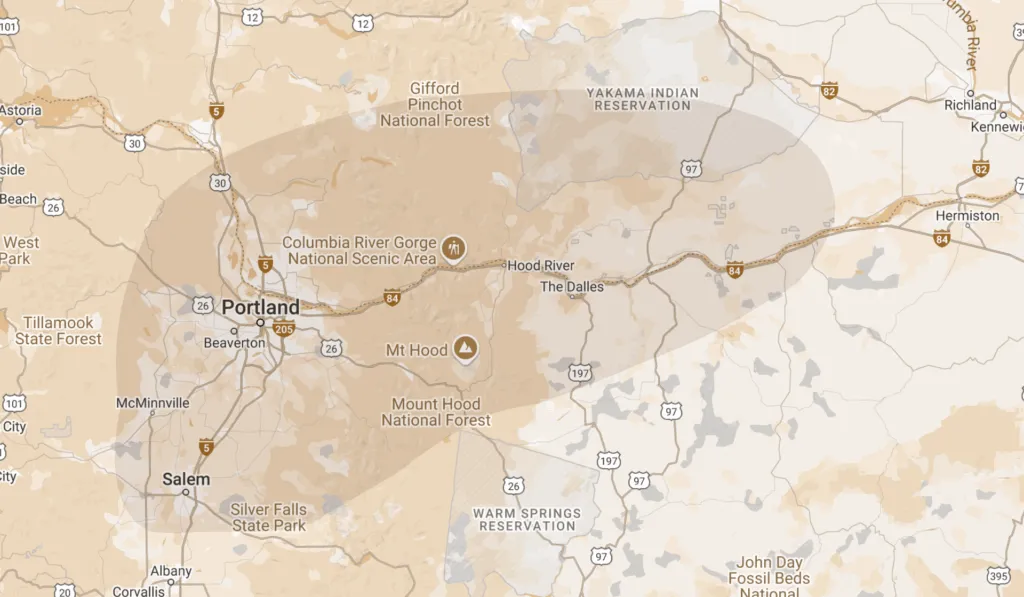
Sky’s Gorge shop is at 616 E 3rd St, The Dalles, OR 97058. The Dalles is on our FAQ service-area list and on the coverage map from Portland through the Gorge.

Whether you have an emergency or are planning a remodeling project, you can depend on Sky as the ultimate plumbing company in The Dalles, OR. Contact our team today!

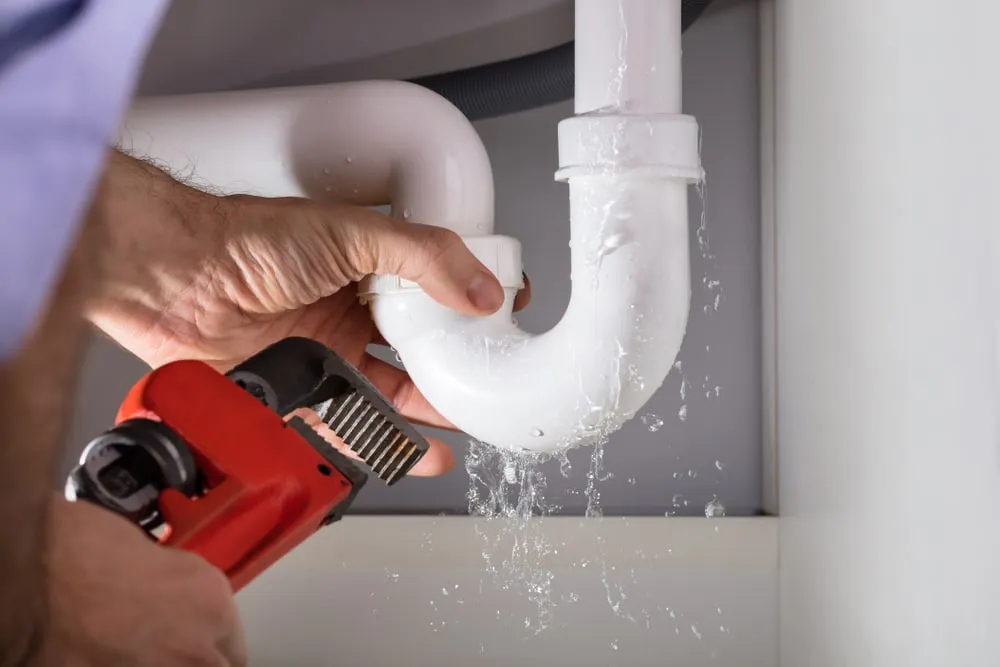
When grease congeals into major blockages or tree roots make their way into your pipes, our drain cleaning services have you covered. Our plumbers in The Dalles, OR, can snake slow drains and bring in the big hydro jetting guns when extra power is needed.

Sky Heating, AC, Plumbing & Electrical has served the Portland area since 1979. We’re licensed (CCB# 245538 | SKYHEHA7635N), family-owned, and available open 24 hrs. mon - sun.

Sky location: 616 E 3rd St, The Dalles, OR 97058

Every Sky service in The Dalles

HVAC, plumbing, and electrical — the same list we run across the Portland area, dispatched for The Dalles, OR.

Heating & Cooling

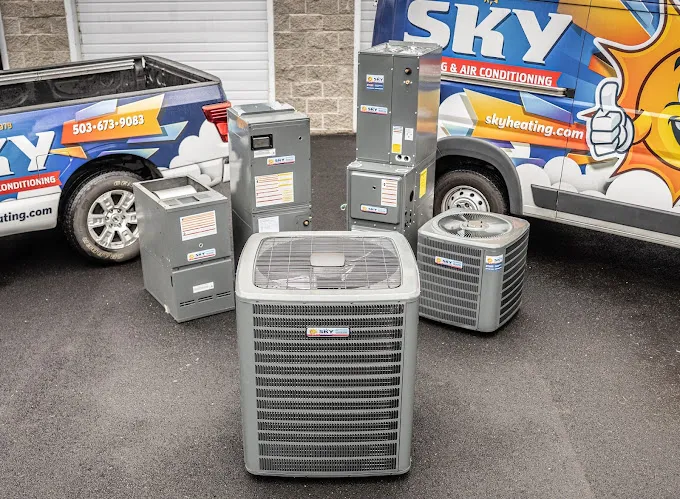
HVAC in The Dalles

  • AC repair and replacement
  • Furnace repair and replacement
  • Heat pumps
  • Ductless mini-splits
  • Ductwork and duct sealing
  • Indoor air quality
  • Thermostats
  • Geothermal
View services
1979 Serving Portland Since
150+ Years of Combined Experience
24/7 Emergency Service Available

Local plumbers ready in The Dalles

Nearby and on call

Sky plumbers serve The Dalles for leaks, water heaters, drains, and emergency backups.

Emergency Service

Our crew is ready to be there for you when you need us most. 24/7 emergency service is available to all customers in need of immediate help.

Decades of Experience

With over 40 years of hands-on experience, our team has the in-depth knowledge needed to provide expert plumbing, electrical, and HVAC services in Portland, OR.

Answers from our FAQ pages

Why Run Your HVAC Fan Continuously?

While a furnace that won’t stop may signal a technical issue, setting the fan to “ON” at the thermostat may be best practice, depending on your furnace. Newer models are designed to stay on day and night.

Why should you run your HVAC fan continuously? The following are some of the hidden benefits.

One of the biggest benefits of HVAC fans is proper air circulation. Heated and cooled air doesn’t always circulate properly because heat rises and pushes cold air to your house’s lower areas while making upper floors and attics very warm. Running the fan evens out temperatures throughout all spaces in your home, circulating warm and cool air for more even — and faster — residential heating and cooling.

The Dalles, Portland, and the Tualatin area are famous for their rainy, temperate climate. Mold and mildew can flourish in these conditions without good airflow. Better air circulation greatly reduces the chances of these contaminants growing in the walls, cracks, and crevices of your home.

With new HVAC systems, keeping the fan on actually improves energy efficiency. HVAC fan settings in newer models make automatic adjustments, keeping the temperature in your home even, which, in turn, reduces the amount of time your furnace or air conditioner needs to stay on to maintain your ideal temperature.

Energy Star rated furnaces and air conditioners are more likely to save you money on your energy bills while running 24/7, and they reduce greenhouse gas emissions and the demand for importing energy.

Better air circulation in your home benefits people with allergies, pets, and respiratory conditions because the air in your house makes more passes through the system’s filters, catching any allergens, bacteria, viruses, pollen, mold spores, dust, and other airborne particles.

You might have to change the filters more often if you run the HVAC system constantly, but you will also enjoy higher-quality indoor air.

Contrary to popular belief, keeping your HVAC fan on may extend its service life, provided the equipment was properly installed and your ductwork is correctly sized. Set to off, a newer, energy-efficient HVAC system goes through more wear and requires more maintenance than if the fan is set to the “on” position.

Your HVAC system’s only job is to keep you comfortable. With the fan set to the “on” position, your home’s interior will have consistently fresh, conditioned air at your desired temperature without you having to monitor the thermostat or manually adjust the temperature.

You’ll also get a more even temperature distribution, especially if your house has more than one floor. In the hot Oregon summers, your entire space will stay cool. In the chilly winters, you won’t have to worry about cold spots in the house.

There are a few reasons you should not keep your HVAC fan running continuously. For example, if your ductwork is in the attic, the summer heat can make running the fan impractical. Temperatures well above 100°F can end up blowing down into your main living space. It also won’t help if your ductwork is leaking. Make sure to have your ducts tested and sealed occasionally so your HVAC system is as efficient as it’s designed to be.

Another consideration is the age of your HVAC system. If you’re concerned about constant fan use and energy consumption, it could be a good idea to install a more efficient motor. Older furnaces tend to use permanent split capacitor (PSC) type motors. However, a new, more efficient electronically commutated motor (ECM) can cut energy use despite running more often.

While each HVAC system is built differently, setting your fan to run continuously through the thermostat should be fairly easy. The “on” setting keeps the fan running even after the air reaches your desired temperature. Select this setting rather than the “automatic” setting, and the system will actively push the already-conditioned air around in your house 24/7, keeping it evenly heated or cooled with clean, filtered air year-round.

If you’re unsure how to change your HVAC system’s fan settings and live in Portland, the Dalles, Troutdale, Lake Oswego, Tigard, Rivergrove, Milwaukie, or the surrounding area, reach out to Sky today. A qualified technician will inspect your system to ensure it’s ready to be set to “on” and then show you how to do it.

You deserve to have an HVAC system that works its best year-round. If your heating and cooling isn’t keeping you comfortable, call Sky Heating, AC, Plumbing, and Electrical today. An experienced local HVAC technician will assess the issue and help you improve your system.

We’re your local home service center, offering a wide range of HVAC services, including AC, furnace, and ductwork inspections, installations, replacement, maintenance, and more. We employ the expertise, tools, and equipment to get the job done right to make sure your system offers the comfort, efficiency, and air quality you need. We care about providing a quality experience to each of our clients and will do what it takes to make sure you’re happy with the work we do.If you’re considering changing how you run your HVAC system, contact our team today to schedule a consultation appointment. Count on our expert technicians to provide trustworthy advice. Schedule service using our easy online form, or call us directly at (503) 563-2698.


Read more

How Much Does It Cost to Service a Water Heater?

Parts and labor are the primary factors determining what you pay, but they are not the only ones. Your service bill is calculated by considering the following:

If your water heater is in a hard-to-access part of your home, a plumbing contractor may charge more for the extra work. Meanwhile, water heater service costs vary by region and city. Areas with a higher cost of living tend to have higher service prices.

Here’s a more in-depth look into how your service bill is calculated:

  • How expensive a part is
  • The amount of time the job takes
  • What your plumbing contractor charges
  • Location of the water heater in your home
  • Your geographical location

The cost of servicing a water heater is influenced by the time and effort required by the plumber. While some replacement parts, like a pressure relief valve or a thermostat, may be relatively inexpensive, the overall cost includes the labor involved in diagnosing the issue, sourcing the parts, and completing the installation or repair. This ensures the job is done safely and correctly, which is essential for the proper functioning of your water heater.

Replacing multiple components can add up to the cost of a full replacement. Generally, you should replace a water heater if:

  • It’s over 12 years old (conventional model) or 20 years old (tankless water heater).
  • Your monthly water bill has been consistently increasing.
  • A serious issue such as a leak, discolored water, or inconsistent water temperatures occurs.

Depending on the contractor, it may include cleaning parts, inspecting for corrosion, or draining and flushing the tank. Water quality tests and other add-on services may or may not be included, so you may pay extra. However, the cost of maintenance is worth it, considering it can avoid major repairs and improve your water heater’s efficiency. It can also increase the unit’s life expectancy.

The type of unit often impacts the cost of water heater service. For example, a gas water heater may develop issues with the pilot light. If you’re having trouble lighting it, a plumber can check it, even if there isn’t a major problem.

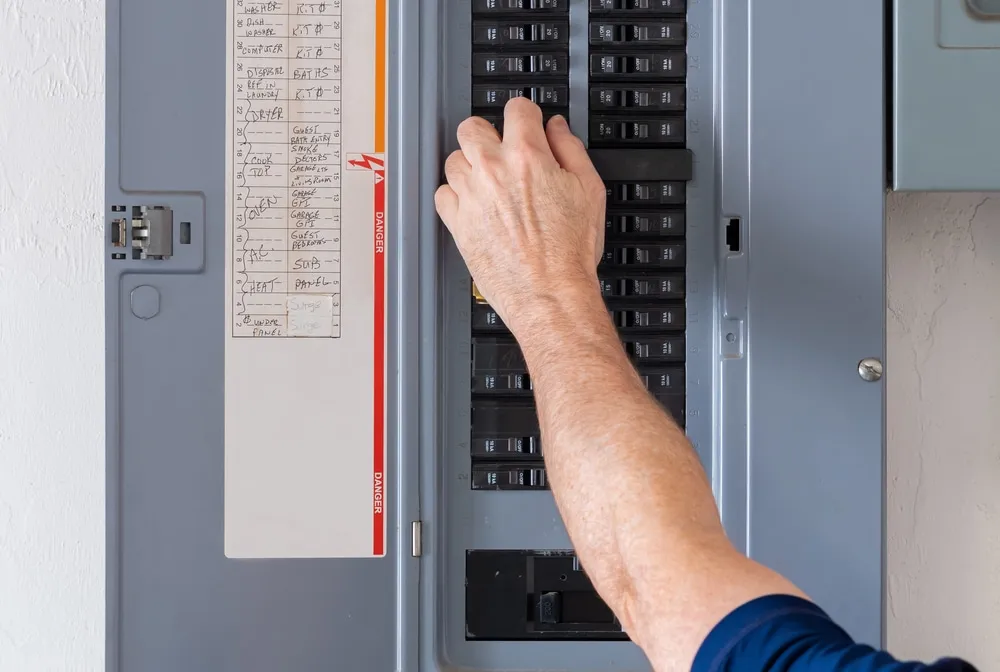
An electric water heater has different service needs. A contractor will charge a fee to check why the unit’s circuit breaker is tripping. A unit’s two heating elements must function properly for it to produce hot water.

The flue vent pipe is an important component that directs exhaust gases outside your home. Pipes vary in material, length, and accessibility. The cost of servicing a water heater includes both parts and labor. Components like thermostats and timers are crucial for the efficient operation of the unit. While these components can help save energy and enhance performance, installing or replacing them involves both the cost of the parts and the necessary labor. This is why the overall cost of water heater servicing can vary, depending on the specific needs of your unit and the complexity of the work involved.

You face a more expensive predicament if your water heater is leaking, in which case a plumber will have to inspect and, if possible, repair the unit. However, a leak under the appliance usually requires calling a pro for water heater replacement near you.

Read more

Why Is Water Heater Sizing So Important?

Water heater sizing is a core aspect of planning. When a professional who provides water heater replacement near you visits, they can assess your home and perform the necessary calculations.

Unfortunately, many homeowners request help when their water heater stops working in an emergency. They make decisions with little knowledge of the ideal storage tank size or input capacity. This can lead to prioritizing upfront savings over a unit that meets demand and lowers operating costs over time.

Determining the right size of a water heater requires considering the following factors:

These are the specifics you need to consider when calculating water heater capacity:

Also, only 70% of the hot water in a storage tank is usable. Cold water mixes with hot water as it enters the tank and is too cool to use for applications that require hot water. Therefore, this is another sizing consideration.

  • Number of People: A 30- to 50-gallon water heater can serve a household of one or two people. However, a unit of at least 75 gallons is needed for a family of five or more.
  • Peak Demand: Peak demand is measured in gallons of hot water needed during the busiest hour of use. It varies depending on the number of bathrooms and appliances in your home.
  • Hot Water Devices Served: Know the faucets, showers, washing machines, dishwashers, and other appliances that may be used simultaneously, along with their flow rates in gallons per minute (GPM).
  • Flow Rate: Adding up the rated GPM for all devices determines the required water output, so hot water is available when you use fixtures and appliances. You can reduce flow rate requirements by installing low-flow water fixtures.
  • BTU/Hour: To determine the required input capacity, add up the hot water load of all fixtures. Multiply this demand in gallons by 8.34 pounds per gallon by the degree rise by 60 minutes. This gives you the required BTU/hour rating needed.
  • First-Hour Rating (FHR): Determining a water heater’s delivery capacity requires looking at how many gallons of hot water it can supply in the first hour. It largely depends on tank capacity and recovery rate. A high FHR means a water heater can provide enough hot water during peak demand.
  • Flow Rate (Tankless Water Heaters): Flow rate is an important aspect of demand-type water heater performance. A tankless unit adjusts its temperature output based on water flow and incoming water temperature. Most units have a flow rate of between 2 and 5 gallons per minute.
  • Temperature Rise: This is a measurement of how long it takes water to be heated to the required temperature. A water heater must accommodate a greater temperature increase if the water entering it is chillier. Consider your local climate and know the temperature of incoming water to determine the temperature rise your water heater must accommodate.

When performing water heater replacement near you, a plumber must take other considerations into account. It can impact your entire plumbing system, especially if the new model has a storage tank of a different size than the old unit. For example, the operating temperature of your entire hot water distribution system can change, which requires readjusting the maximum temperature limit stop on bathtub and shower valves. To meet code requirements, they must be set to 120℉ or less for safety reasons.

Proper water heater sizing ensures these components work correctly and that all the plumbing fixtures and water-using appliances in your home function properly.

  • Temperature-Actuated Mixing Valve: Installed on the unit’s outlet, it raises the temperature of stored water to increase the amount of hot water available and provide a consistent water temperature.
  • Temperature Modulation (Tankless Water Heaters): Aside from flow rate, point-of-use and whole-house demand water heaters can have staged burners or heating elements for temperature modulation or a built-in flow modulating valve to slow water flow, which maintains the outlet temperature.
  • Balancing Valves: Manual or automatic (thermostatic) balancing valves restrict flow to nearby branches to equalize flow throughout the system. Without them, fixtures that are farther away may see little or no water flow.

Read more

How Can I Save on Water Heater Service?

You will incur some costs throughout the life of your water heater. However, it’s possible to save with the following preventive measures:

Assuming you’ve taken good care of your water heater, but its warranty has expired, you may still have options. Your home warranty may cover water heater service depending on the plan level. Check the policy to see if it provides opportunities to save.

Another way to save is to get at least three quotes. Talk to at least three contractors and compare their rates, reputations, and timelines. Know exactly what you’re getting for the price. Therefore, you can choose the best service at the most reasonable rate (rather than automatically picking the lowest bid).

  • Have Your Water Heater Serviced Regularly: Preventative maintenance should be performed every year by a professional. It allows a technician to check for developing issues and clean parts of your water heater to reduce wear. Usually, the earlier a problem is detected, the less it costs to fix. Maintenance also helps avoid costly emergency callout fees and maximizes efficiency (reducing utility costs).
  • Insulate the Water Heater: Placing insulation around the hot water tank reduces heat loss. Therefore, the system works less hard to maintain a hot water supply. Insulating the pipes connected to the water heater can also save on utility bills and repairs.
  • Buy the Parts Yourself: If you want to save on repairs, ask your plumber if purchasing the parts yourself can save money. Licensed plumbers often get good rates on parts but mark up the price. But not all plumbers will install parts they didn’t supply.
  • Purchase the Same Type of Unit: If the service entails replacing your water heater, purchasing the same type can cost less than a different model. By choosing a similar unit, you won’t have to switch fuel sources, install a gas or water line, or update existing wiring if your current infrastructure is in good shape.
  • Schedule a service call during the work week.
  • Wait a day or two if it’s not an emergency.
  • Have a serious issue checked immediately.
  • Replace Your Water Heater: A water heater replacement in Portland can save on the cost of repeated repairs and higher energy bills. If your unit is 10 to 15 years old, a replacement can save you in the long run. If some parts have malfunctioned, the extra stress has likely worn out others, which must also be replaced. Why would you continue to pay for parts if your water heater has little life left?
  • Check the Warranty: Review the original product warranty to see how long it covers repairs and what parts and services are covered. You’ll save on service if your water heater is still under warranty. Depending on the issue and type of coverage, you may not have to pay anything. However, DIY water heater repair and skipping maintenance can void the warranty.
  • Hire the Right Contractor: Not every plumber services water heaters. Therefore, you want to ask many questions when you contact a professional. Find out if the contractor is licensed, insured, and experienced. They should have several years of experience. Also, ask about the timeframe for the project and if it requires a permit. The more you know, the fewer surprises there will be later and the easier it is to budget for service.

Replacing any water heater part requires knowledge of how it works. For example, a thermocouple isn’t hard to replace, but you must understand how it’s connected (and how to turn off the gas). Replacing a heater element on an electric model doesn’t cost much, but you’ll also need a continuity tester and know how to use it to determine if the element and electrical connections are working properly.

An experienced professional eliminates any uncertainties and can help you save on the cost of water heater repairs, maintenance, and replacement.

Sky Heating & Air Conditioning provides high-quality water heater services in Portland and surrounding areas. Whether your water heater requires maintenance, repairs, or replacement, our licensed professionals get the job done right. They are available 24/7 to help in an emergency. However, our maintenance plans include services that can avoid unexpected repairs, while special offers and financing can also help you save. To learn more or schedule water heater and other plumbing services, call (503) 563-2698 today.

Read more

What our customers say

It's All Up From Here.Contact Sky Today!

Whether you need HVAC, plumbing, or electrical help, our licensed experts are ready. Tell us about your project and we will guide you through the next steps.

Call Us

(503) 563-2698

Service Area

Portland, OR & surrounding areas

Ready to get started? Our team will follow up within 24 hours.

Get Started Or call us at (503) 563-2698
Our Service Area Map of Sky Heating service coverage from Portland through the Columbia River Gorge to The Dalles and surrounding communities

Portland, The Dalles, and communities across North Oregon and Southwest Washington. See every city we serve