


Posted in HVAC
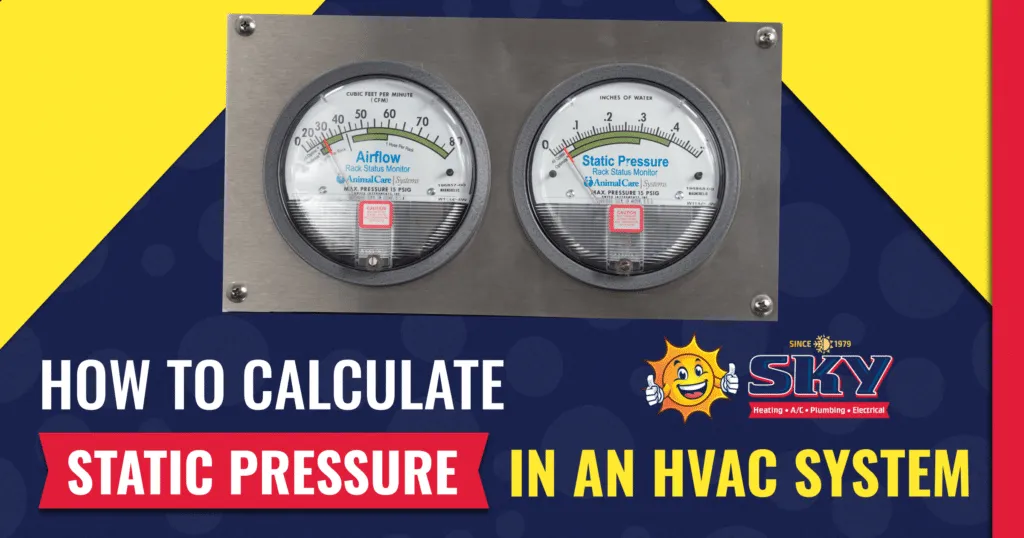
Common measurements to determine HVAC system performance include temperature, humidity, and air velocity. Static pressure is another metric that helps evaluate how a system is operating. It might not be a familiar household term. But we’ll explain what it is and how to calculate static pressure in an HVAC system.
What Is Static Pressure?
Static pressure affects pretty much everything in your heating and cooling system. The higher the pressure, the more an HVAC system must work to overcome resistance and move air. Hindrances to airflow are present throughout the system (turns in ductwork, fittings like kitchen vents, air dampers, etc.). Static pressure can increase if debris builds up in a duct or it becomes damaged.
Signs of high static pressure include:
- A noisy HVAC system
- Longer running times
- Premature wear of parts
- Hot or cold spots
- Increased humidity
Measuring Static Pressure
Here are some options for measuring static pressure in an HVAC system:
- Manually with a handheld manometer and pressure probes, as a one-time measurement.
- Installing differential pressure transmitters for permanent monitoring.
- With a manual calculation factoring the length of ducts, the number of fittings, and the type of medium (air, water, nitrogen, etc.)
Static pressure testing is a multi-step process. Any measurement over 0.5 inches is high, meaning the system is working too hard. To gain access and calculate static pressure in an HVAC system, these are the steps a professional may follow:
- Determine Where to Drill: Drill test ports on the supply side between the furnace and the coil and the return side between the furnace and filter. Identify the location of coils, circuit boards, condensate pans, and other components to avoid damage.
- Drill the Test Ports: Drill each port with a ⅜ inch drill bit with a metal piercing tip. A drill bit sheath should be used to avoid penetrating the coil. Also, drill through the duct liner to ensure an accurate reading.
- Insert the Tubing: On one side, push the tubing onto a static pressure tip. The other end should connect to the gauge’s high-pressure port. Calibrate the gauge using the screw so the reading is zero.
- Get a Positive Static Pressure Reading: Insert the static pressure tip into the test port. The tip should face the airflow. The value shown is the pressure on the supply side.
- Get a Negative Static Pressure Reading: Relocate the tube to the low-pressure port (on the gauge) and insert the tip into the return side test site.
- Calculate Total External Static Pressure: Add the two values to determine the total system static pressure.
High static pressure means there are restrictions in the air distribution system. Low airflow can be caused by ductwork blockages, kinked ducts, offset passages, closed dampers, and other issues. Low static pressure can mean a duct or plenum leaks, the fan operates at a low speed, or a filter is missing. Separated ductwork is another cause of low pressure. Irregularities in static pressure can also mean you have improperly sized equipment.
Correcting HVAC Static Pressure Issues
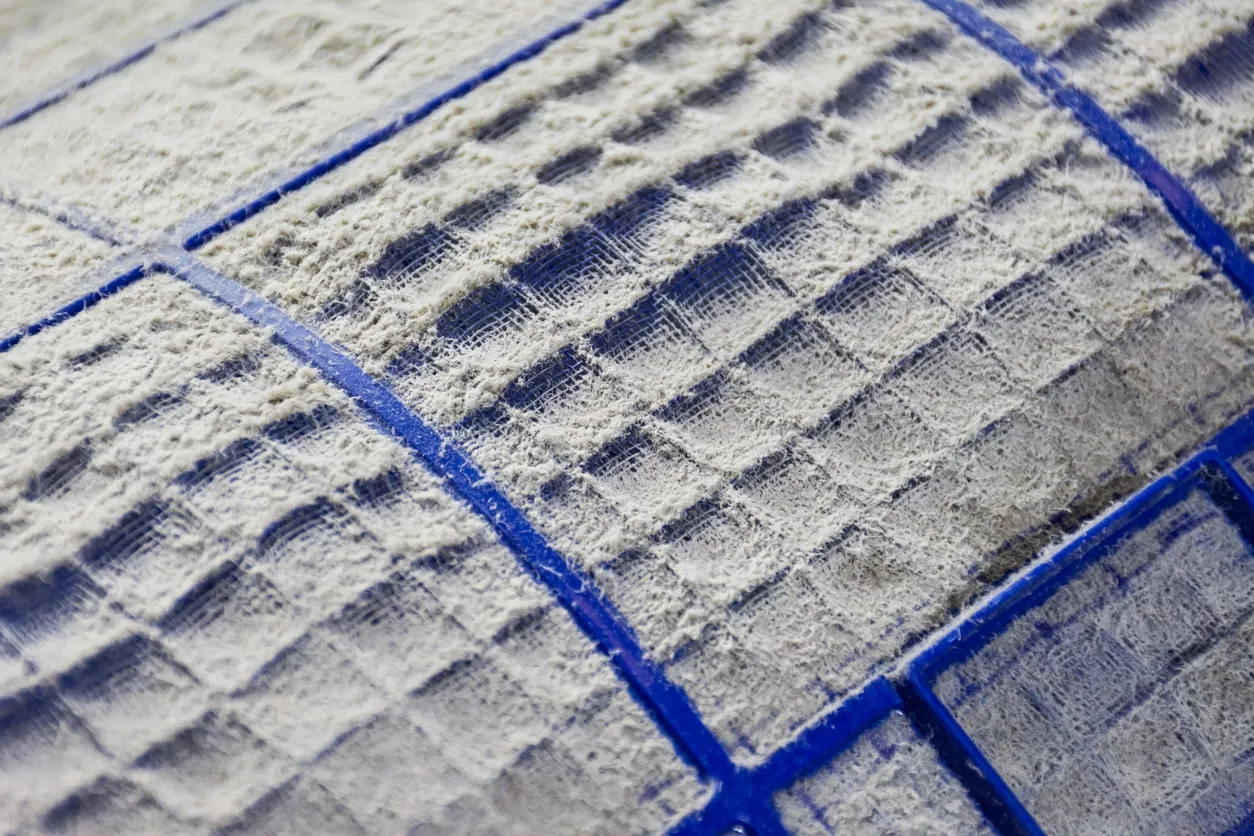
To maintain a good static pressure, clean or replace the air filter as recommended. Air will struggle to pass through a clogged filter. However, the issue is often in your ductwork. Aside from cracks or holes, poorly designed ducts are often the source of the problem. The ultimate solution to achieving the ideal static pressure is to properly design and size ductwork from the beginning. Oversized ducts will cause low static pressure, and undersized ducts will increase it.
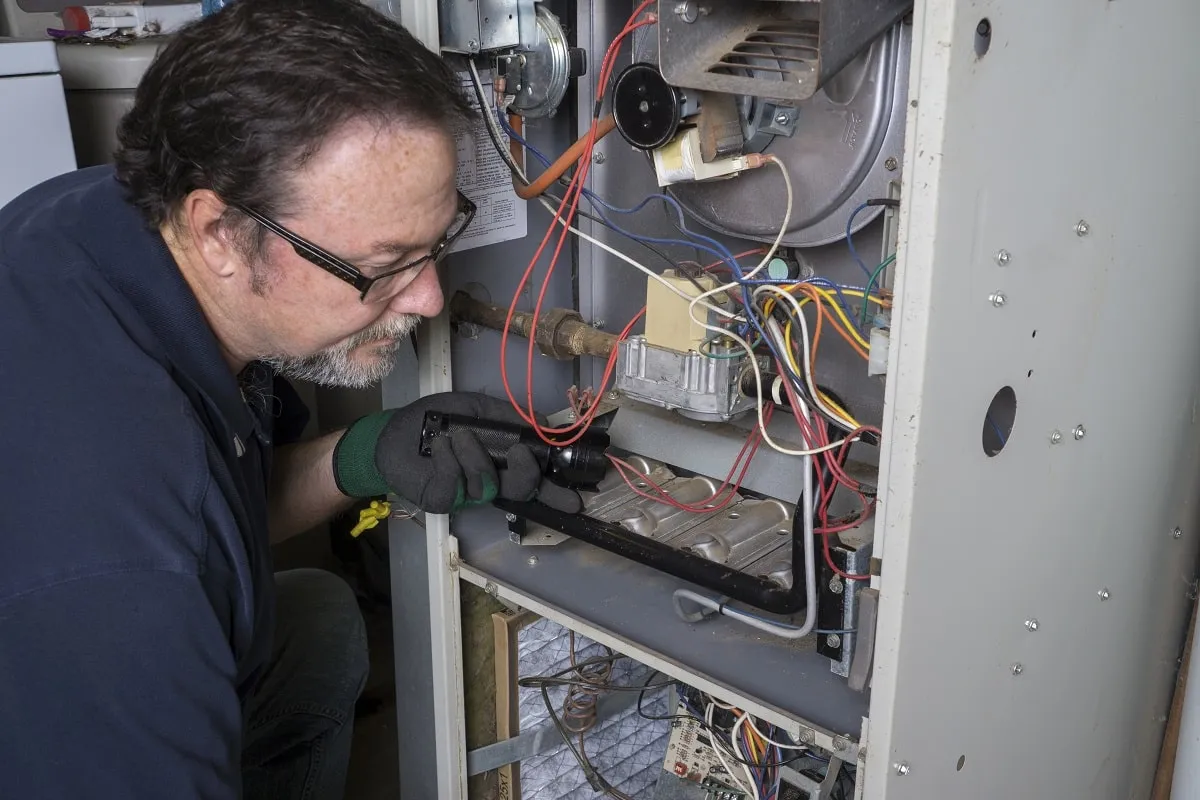
If your existing ductwork is causing problems, altering it can help. For example, you can replace narrower ducts with wider ones. If feasible, you could also add ducts. At the very least, keep vents clear so air can circulate. And don’t neglect regular maintenance. Your heating and cooling system should be inspected and tuned up twice a year so any performance, pressure, and indoor air quality issues can be identified and corrected.
Contact Sky Heating & Air Conditioning
Knowing how to calculate static pressure in an HVAC system, and correcting any issues, may seem daunting. But our licensed technicians can help. They install, repair, and maintain HVAC equipment, including AC units, furnaces, heat pumps, and ductwork. Pressure and airflow tests are included as part of your HVAC maintenance plan. To learn more about our heating and cooling services in Portland and surrounding areas, call (503) 563-2698 today.