


Posted in Electrical
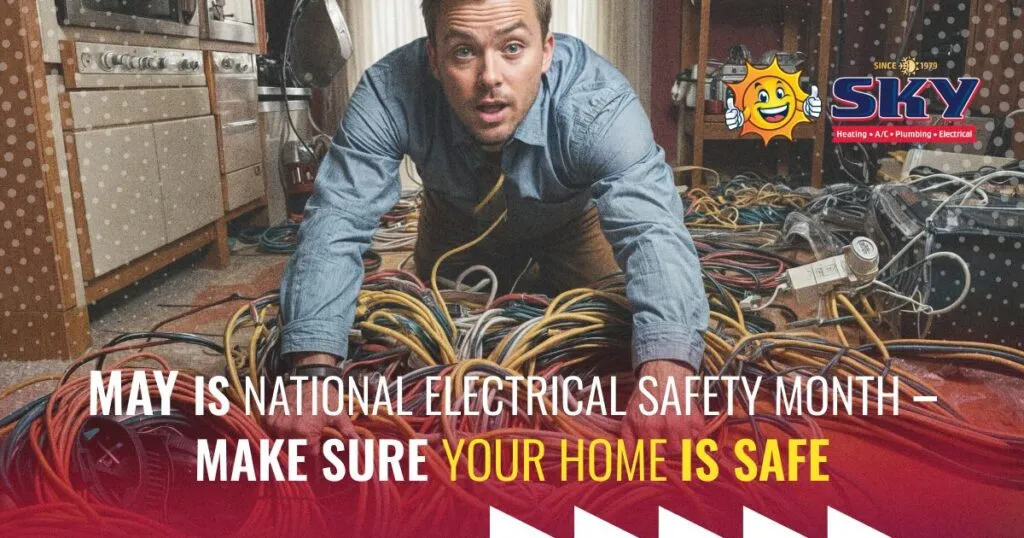
May is here, and that means it’s National Electrical Safety Month. From taking steps to reduce the risk of shock and fire to scheduling an electrical inspection, there are many ways to improve electrical safety in your home. In this article, we’ll explain how to protect your household from electrical hazards, including scheduling electrical services from Sky Heating & Air Conditioning.
What Is National Electrical Safety Month?
It is an effort by the Electrical Safety Foundation International (ESFI) to promote best practices regarding residential and workplace electrical safety. By launching a campaign each year, the ESFI aims to raise awareness to prevent fires, injuries, fatalities, property loss, and other risks. The effort is also supported by the National Fire Protection Association (NFPA) since over 32,000 home structure fires occur each year due to electrical issues, causing an average of 1,000+ injuries and 430 deaths per year between 2015 and 2019.
Our Top Electrical Safety Tips
An electric shock may be just a momentary jolt. However, many shocks are powerful enough to cause serious injuries and have lasting effects. A strong enough current can cause a fatal electrocution. Meanwhile, an electrical fire can destroy your home in minutes, leaving little time to escape to safety. These tips can avoid such hazards:
Repair or Replace Faulty Wiring and Electrical Cords
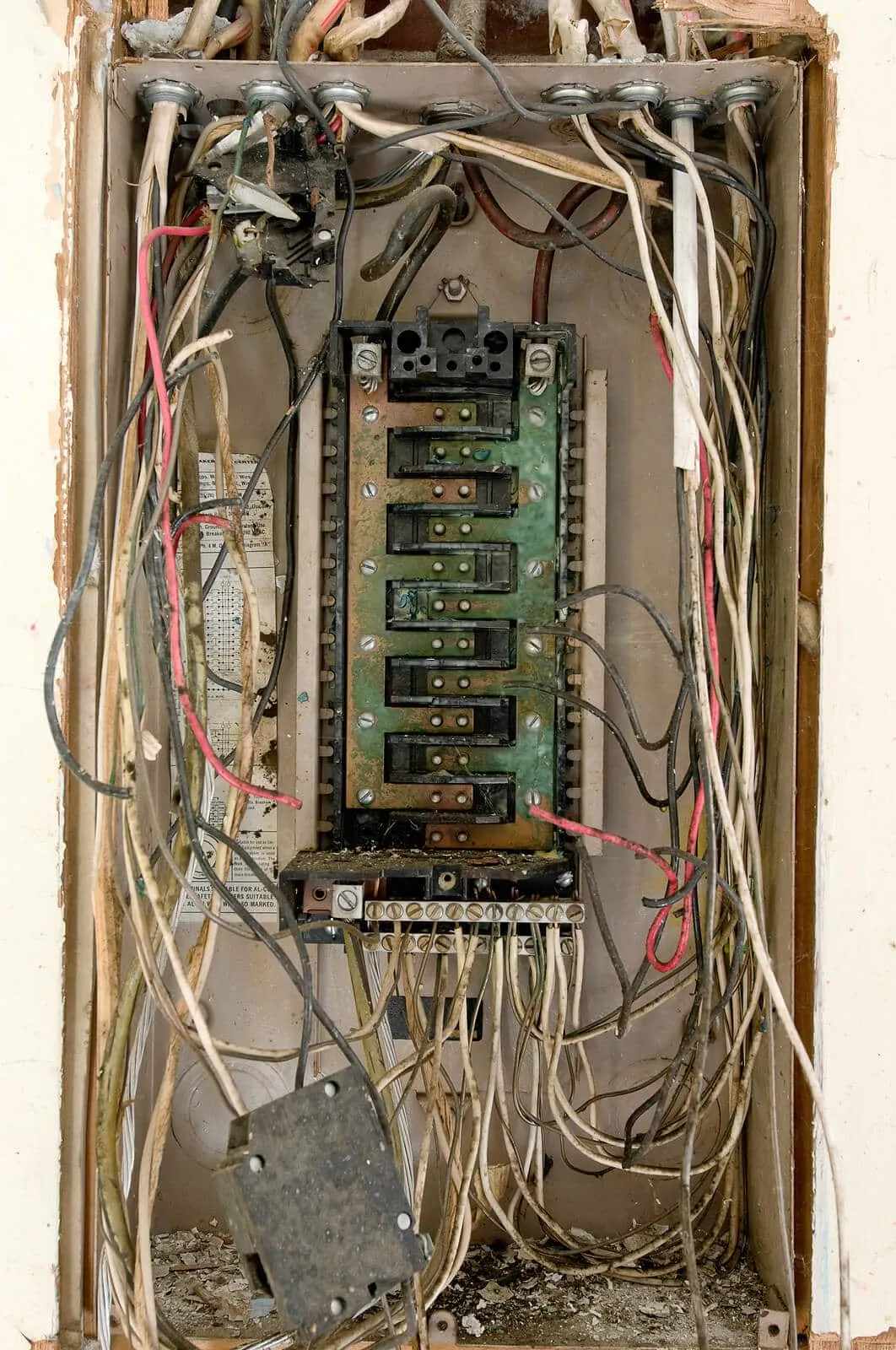
Problems with wiring and related equipment cause the majority of electrical fires. A broken wire can cause a spark or overheat an electrical component or fixture. To protect your home or business:
- Check for frayed or cracked wiring/cords often.
- Do not staple power cords to surfaces.
- Avoid running cords under carpets and furniture.
- Make sure wires in walls are joined using a junction box.
- Replace old aluminum wiring to avoid a fire hazard.
Use Extension Cords Properly
Extension cords should not be used regularly. If you need them every day, there aren’t enough outlets in your home to support your electrical needs. An extension cord used continuously can deteriorate quickly and become a fire or shock hazard. Powerful appliances such as space heaters should never be plugged in with one.
It’s easier than you think for an extension cord to be overloaded. Therefore:
- Never plug two extension cords together; you may overload the circuit.
- Don’t run cords through walls, doorways, ceilings, or under rugs.
- Make sure the extension cord/power strip is properly rated (for the power requirements of the application and indoor or outdoor use).
Beware of Overloaded Outlets
An overloaded outlet is a common electrical issue. All outlets should feel cool and have undamaged protective faceplates. Call an electrician if an outlet is hot.
When plugging in an appliance, don’t use an extension cord or multi-outlet converter. Use a power strip only if necessary and know the power ratings of what you plug into it; the strip doesn’t add electrical capacity to the outlet. Don’t plug more than one heat-producing appliance into a single outlet.
In addition, protective outlet covers or caps should be used to ensure children and toddlers are safe.
Read the Instructions
Every electrical appliance or device you use comes with instructions from the manufacturer. These are intended to inform you how to install, connect, and use the device safely. Proper use will ensure optimal performance. It can also avoid inadvertently misusing or damaging the product, and improve your safety.
Unplug Appliances You Don’t Use
Keeping an unused appliance plugged in is unsafe. It can overheat, even if it’s not turned on, or be damaged by a power surge, making it dangerous to use. The device can also consume energy when off, contributing to a higher electric bill.
Make Sure Appliances Have Enough Space
Appliances and electrical equipment should have enough space for proper air circulation (gas or electric dryers should be at least a foot from the wall). This prevents them from overheating. Don’t install equipment in enclosed cabinets. Also, store flammable objects away from any electrical appliances and electronics (and from furnaces and portable heaters too).
Use Appropriate Surge Protection Devices
A surge protector is not an accessory. It is an essential device that protects against voltage surges. However, it cannot protect against a direct lightning strike or sustained high-level voltages (meaning any electrical issue must be dealt with promptly). A typical power strip, breaker, or uninterruptable power supply does not offer surge protection.
Keep Electrical Devices and Outlets Dry
Electrical equipment should be kept away from sources of water. Shock or electrocution can occur when water and electricity mix. To stay safe, ensure your hands are dry when using an electrical appliance or device. Ground fault circuit interrupter (GFCI) outlets should be installed in kitchens, bathrooms, and other areas where water may be present; they cut power to the circuit if there’s a current imbalance, which can happen when a device or outlet gets wet.
Follow Outdoor Electrical Safety Tips
Electrical safety is just as important outdoors, especially since additional hazards exist. To avoid an injury or fire:
- Stay away from downed or damaged power lines.
- Stay clear of overhead lines when using a ladder or working on a roof.
- Before digging, call a local utility to locate underground lines.
- Be careful not to overload any outdoor cords.
- Don’t run extension cords through water, snow, doors, or windows.
Call an Electrician to Address Urgent Issues
Contact your local contractor for an electrical inspection/repair for the following issues:
- Frequently tripping circuit breakers
- Warm or discolored outlets
- An outlet that sparks
- Flickering or dimming lights
- A tingling sensation when touching an appliance
- An appliance/electronic device emits a burning or rubbery smell.
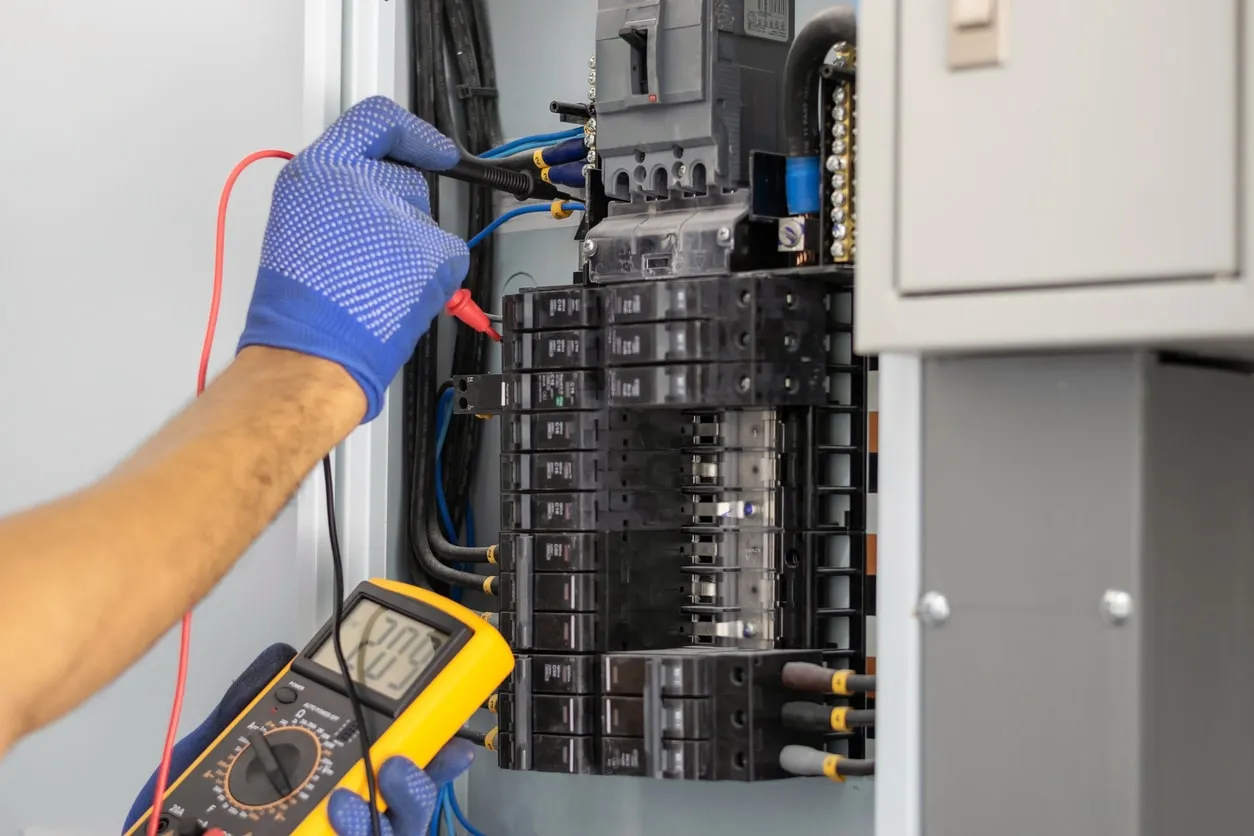
Also, if an electrician hasn’t inspected your home recently, it’s a good idea to schedule an electrical inspection. It can help spot hidden problems and signs of wear and tear, which can be addressed to avoid future hazards.
Resources:
ESFI Electrical Safety Resources
Occupational Safety and Health Administration (Electrical)
Contact Sky Heating & Air Conditioning
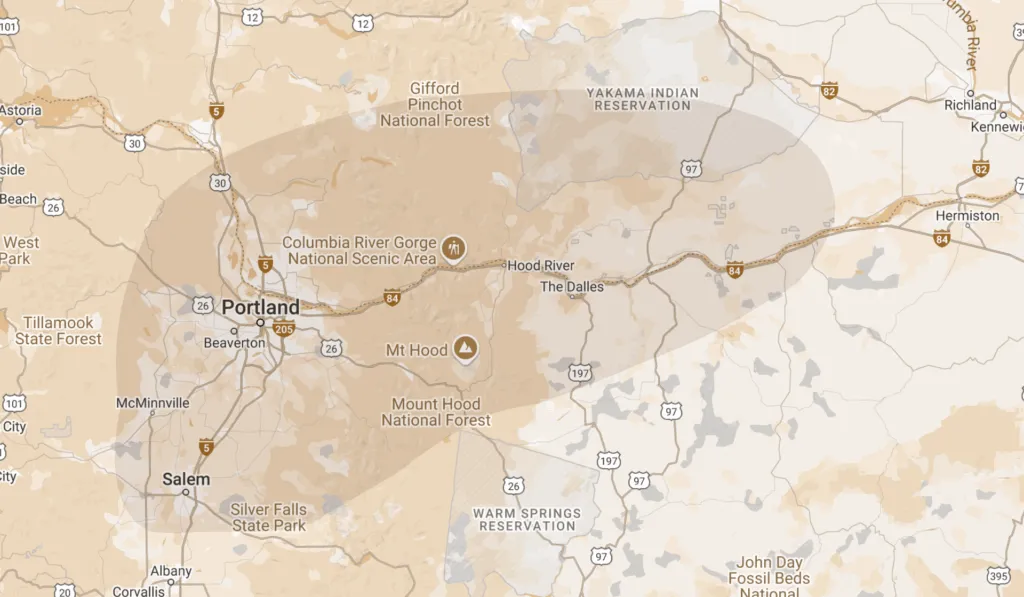
We are committed to improving the electrical safety of our customers in the Portland area. Our experienced electricians provide panel replacement, generator installation, and electrical inspections and maintenance. To learn more about our electrical services or request an appointment with one of our licensed electricians, call (503) 563-2698 today.