


Posted in Air Quality
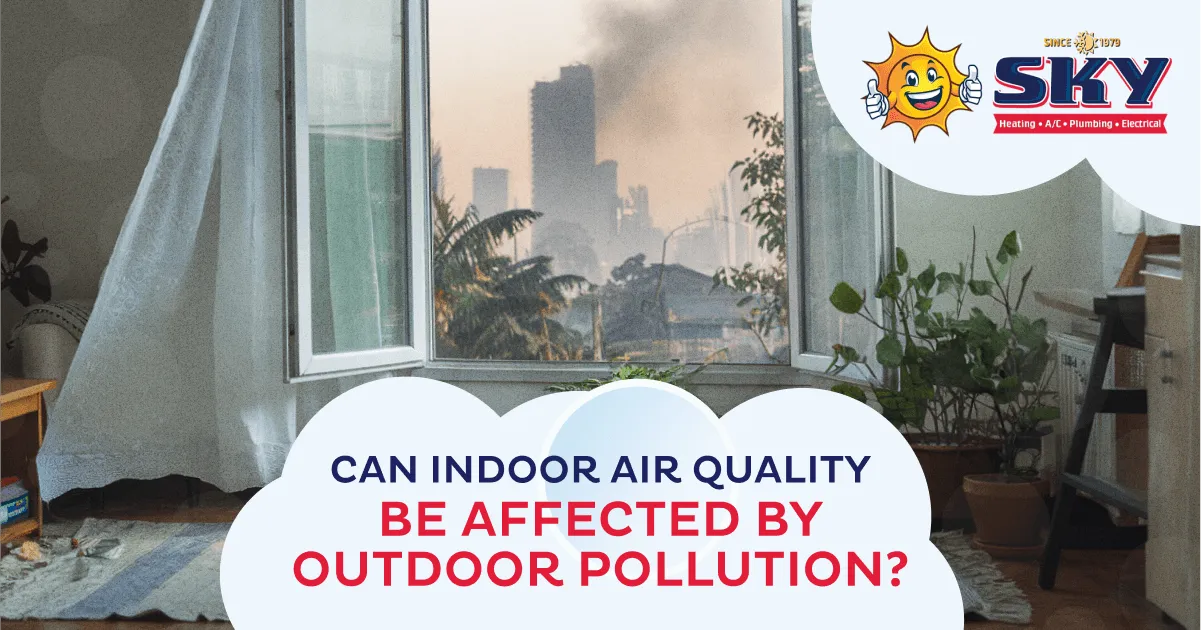
Portland homeowners trust Sky Heating & Air Conditioning for effective indoor air quality (IAQ) solutions, but did you know outdoor pollution can cause problems inside? It’s one of the most significant contributors to IAQ issues. The health of people in your household, especially children, older adults, or individuals with underlying conditions, is most at risk. Indoor air quality and outdoor pollution are more connected than most people realize.
Top Sources of Outdoor Pollution
Many types of pollutants can get into your home from outside. As sealed as modern buildings are, indoor air may contain the following harmful contaminants:
- Smoke
- Combustion byproducts
- Small particulates
- Vehicle exhaust
- Carbon monoxide
- Mold spores
- Pet dander
- Ozone
- Volatile organic compounds
- Pesticides
- Radon
How Is Air Quality Measured?
Created by the U.S. Environmental Protection Agency (EPA), the Air Quality Index (AQI) measures the presence and concentration of airborne pollutants. It runs from 0 to 500, and levels below 50 are considered good. Values over 300 mean conditions are hazardous. The AQI is broken up into six color-coded categories based on the risk of exposure to harmful compounds and particulate matter that’s 2.5 microns in diameter or smaller (PM2.5).
Such particles are small enough to be breathed deeply into the lungs. Some are even tiny enough to get into the bloodstream. These often originate from fire-related smoke, vehicle exhaust, and industrial pollution. Short-term exposure can cause coughing, chest tightness, and difficulty breathing, while chronic bronchitis, cardiovascular disease, and lung cancer can result from long-term exposure to high PM2.5 levels.
How Outdoor Air Gets Inside Your Home
Unfortunately, staying indoors doesn’t protect you from air pollution. It’s difficult to keep outdoor and indoor air separated. Here are just some ways outdoor air and pollutants in it can enter your home:
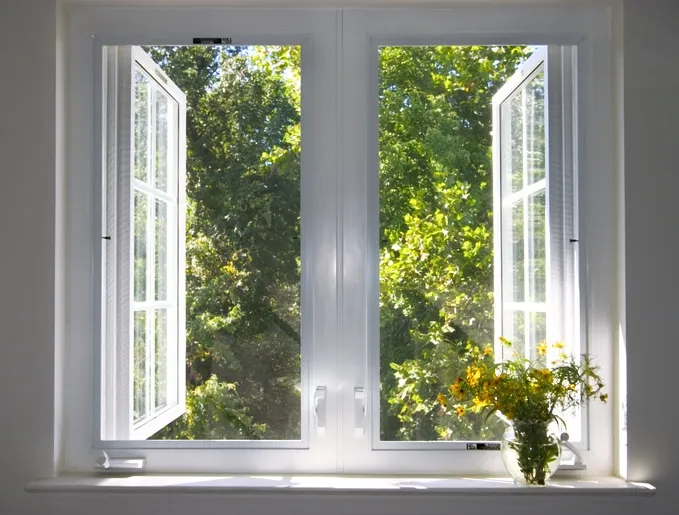
- Open Windows: In mild weather, it’s tempting to let in some fresh air. Opening windows may seem like a good idea, but that breeze can contain particles and other contaminants.
- Tiny Spaces: Barely noticeable cracks and gaps in window/door frames and walls can provide entry points for particles, chemicals, and gases that can reduce indoor air quality.
- Stairwells/Elevator Shafts: If there’s an underground parking garage, carbon monoxide and other byproducts from car exhaust can rise toward living and working spaces above.
- Damaged Weatherstripping: The seals around windows and doors can break down over time due to exposure to rain, wind, ice, and other elements.
- On Your Shoes: Dirt, grime, pollen, lawn chemicals, and various toxins can be tracked into your home on your shoes and become airborne indoors.
- Building Materials: Another example of a pollution source brought in by means other than airflow is that building materials can introduce substances via off-gassing or the release of irritating or dangerous fibers like asbestos.
- Consumer Products: The cleaning supplies, insecticides, paints, and even personal care products you bring into your home can release volatile organic compounds into the air.
Why Is Outdoor Air More Dangerous Inside a Building?
Outdoor air can be more harmful once inside your home for a few reasons. The first is that there’s limited space for the air to circulate, so it becomes more concentrated. According to the EPA, pollutants can be up to five times more concentrated indoors. Therefore, you take in more particulates with each breath.
Aside from a ventilation system recirculating polluted air, there’s another hazard. Some outdoor pollutants can react with chemicals already in your home. For example, nitrogen dioxide and ozone released by vehicles can react with volatile organic compounds that off-gas from cleaning products, furniture, building materials, etc. Such reactions can create compounds like formaldehyde.
Steps to Protect Your Indoor Air Quality or Reduce Exposure
An extensive range of pollutants can enter your home from outside. In higher concentrations, they can significantly impact your comfort and health. But there are a few things you can do to protect your household:
- Improve Ventilation: If the outdoor air quality is good, you can open windows for ventilation. Also, consider having your ventilation system evaluated by a professional. If it hasn’t been checked in a while, issues may be letting pollutants in from inside, but these can often be fixed.
- Test Your Indoor Air Quality: Air quality test kits and air quality monitors are available. You can also hire a professional to check for common pollutants with advanced equipment. They can then recommend solutions suited for your home. Consult with your local HVAC contractor for IAQ testing, but you shouldn’t have to schedule indoor air quality testing regularly.
- Replace Air Filters: You should replace HVAC filters every 30 to 90 days. A clean filter enables your AC and heating system to work properly and maintain good air quality. Air filters in vacuum cleaners and other appliances should also be cleaned and replaced regularly.
- Schedule an Air Duct Cleaning: Outdoor pollutants can easily settle and accumulate inside air ducts. Professional duct cleaning eliminates potentially irritating and harmful contaminants and prevents them from recirculating.
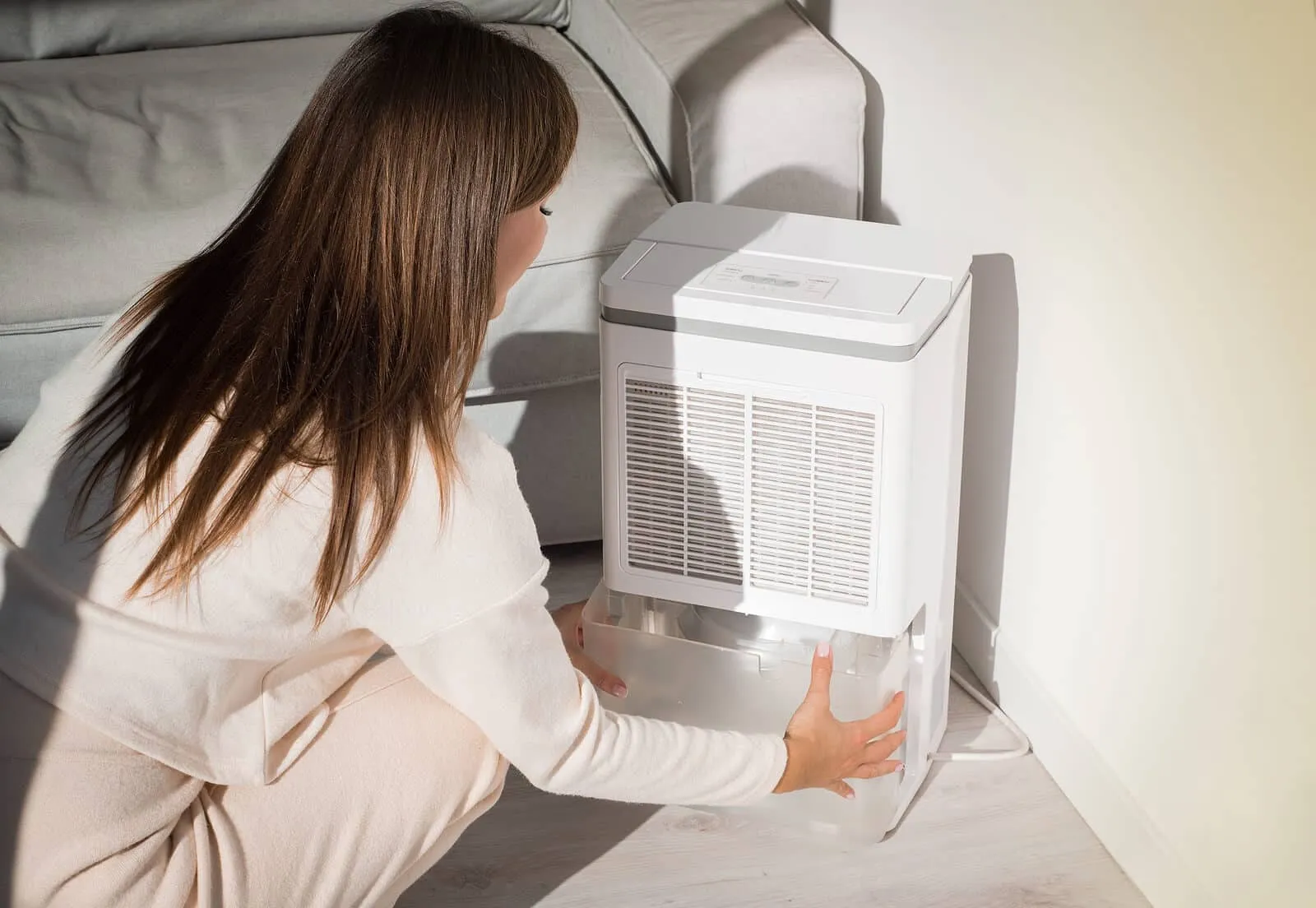
- Install a Dehumidifier: High humidity can reduce comfort and indoor air quality. It can also provide moisture for mold to grow. A dehumidifier removes this moisture to make your home a healthier environment.
- Install a Whole-House Air Purification System: Installed in your ductwork or near an air handler, a whole-house air purifier constantly filters out pollutants. Some types use ultraviolet (UV) light to neutralize microbes and other organic contaminants.
Contact Sky Heating & Air Conditioning
If you have allergies, asthma, or respiratory issues and/or have concerns about the air quality in your area, we can help. Whole-house air purification systems, humidifiers, electronic air cleaners, and UV systems are available. Our licensed technicians can test your indoor air quality and recommend one or a combination of solutions. Schedule an appointment or call (503) 563-2698 for indoor air quality service in the Portland area.